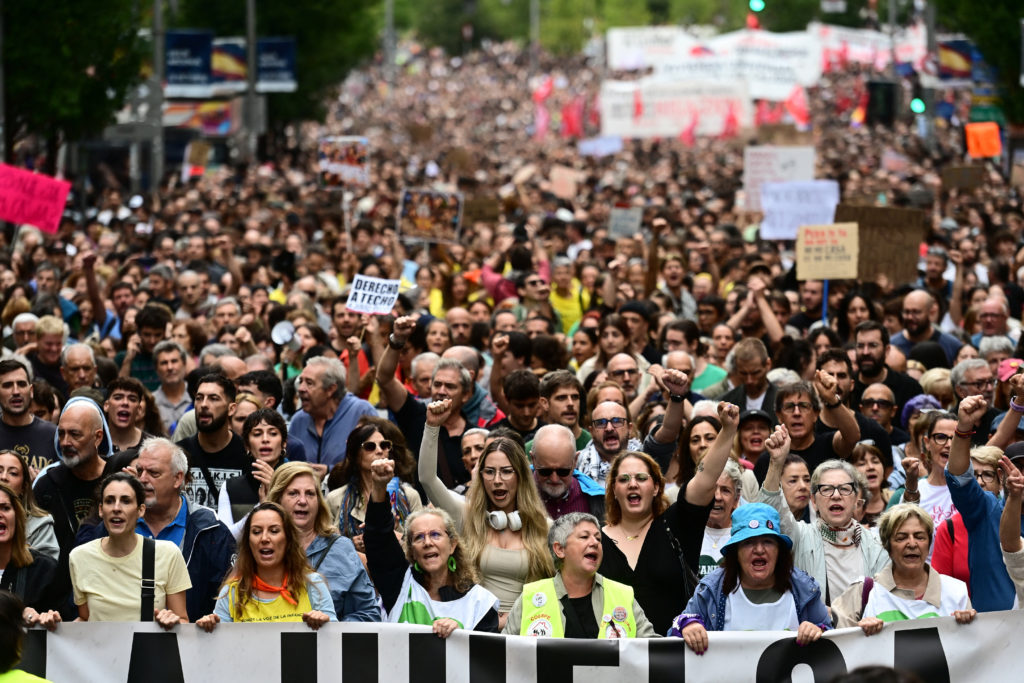
Public outrage over the eviction of an 87-year-old woman has intensified pressure on Spain’s progressive government to address the nation’s entrenched housing cost crisis. The incident has sparked widespread protests, highlighting deep-seated frustrations regarding affordability and social welfare within the country.
The eviction has become a focal point for public anger, with demonstrators taking to the streets to voice their discontent. This surge in activism places the current administration in a difficult position, as it faces demands to implement immediate and effective solutions to the housing emergency.
Spain’s housing market has long been characterized by high costs, a challenge that has persisted despite various policy attempts. The case of the elderly woman has served as a catalyst, unifying disparate groups who are concerned about the rising cost of living and the lack of adequate safety nets for vulnerable populations.
As the protests continue, the government is under immense scrutiny to demonstrate tangible progress. The situation underscores the urgency of the issue, with citizens demanding that housing policy be prioritized in national political discourse.
The incident has drawn national attention to the broader implications of housing instability in Spain. While the specific details of the eviction have fueled the initial outrage, the underlying grievances reflect a systemic issue that affects a significant portion of the population.
Observers are now watching closely to see how the government responds to the mounting pressure. The outcome of these protests may influence future legislative actions and social policies aimed at stabilizing the housing sector.
<small>Source: PBS NewsHour — read the original story there.</small>