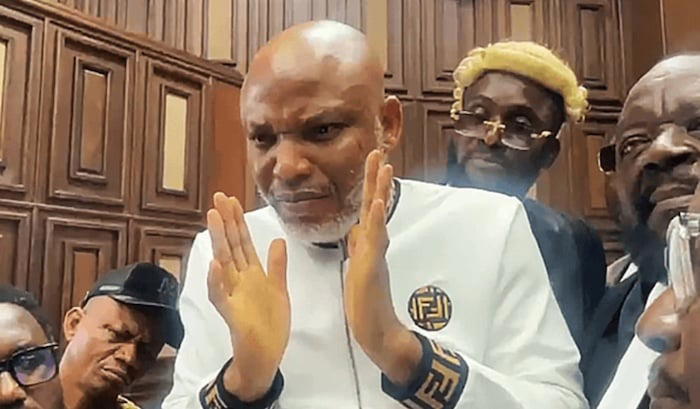
In Abuja, Imo State Governor Hope Uzodimma announced a proposal to establish a national media centre in honour of the late media entrepreneur High Chief Raymond Aleogho Dokpesi. The idea was presented during the third Raymond Aleogho Dokpesi Annual Diamond Lecture, organised by the Nigerian Institute of Public Relations (NIPR) in partnership with DAAR Communications, under the theme “Media, Democratic Consolidation and Development.”
Uzodimma said the centre would serve as a research hub to explore how journalism can be better deployed to advance economic development and strengthen development journalism. He pledged to lead the campaign for the centre’s creation, describing it as a fitting tribute to Dokpesi’s legacy of advancing media freedom.
The governor warned that political interference, poor remuneration, harassment of journalists and the growing economic vulnerability of media organisations threaten press freedom and Nigeria’s democratic development. He called for a new relationship among the government, media owners, journalists and citizens, arguing that democracy can only be consolidated if public officials do not resist scrutiny.
Uzodimma stressed that the media must be seen as a partner in national development rather than an adversary, even when reporting is uncomfortable for those in power. He noted that the discomfort of independent scrutiny is part of exercising public power and that the government should abandon a paranoid stance towards journalism.
He identified several obstacles to a free press, including interference by media proprietors, poor working conditions, delayed salaries, inadequate welfare, threats to journalists’ safety, harassment, arbitrary arrests and brutality. He also warned that the economic survival of professional journalism is becoming harder as advertising revenue shifts to global digital platforms and the costs of investigative reporting and fact‑checking rise.
Uzodimma cautioned that censorship can occur without formal directives when reporters fear detention, station closures, licence withdrawals or other forms of punishment, leading to self‑censorship that undermines the media’s constitutional duty to scrutinise public institutions. He concluded that protecting press freedom is essential for sustaining Nigeria’s democracy.
<small>Source: The Sun Nigeria — read the original story there.</small>