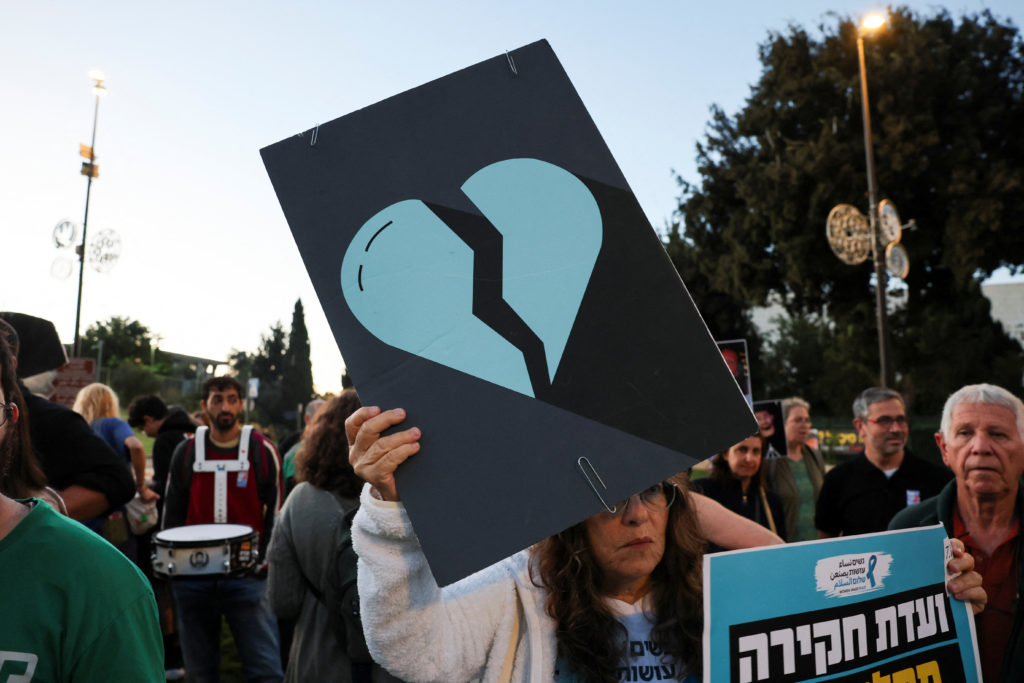
Israel is preparing for its first national elections since the Hamas attack on October 7, 2023, a date that has become the central focus of the political campaign. Prime Minister Benjamin Netanyahu and his opponents are currently placing the events of that day at the heart of their respective platforms as they seek to mobilize voters.
The upcoming vote marks a significant moment for the country, which is navigating the aftermath of the deadliest day in its history. The attack by Hamas has left deep scars on the Israeli public, influencing how candidates frame their policies and their visions for the nation's future security and stability.
Netanyahu, who has led the country through the initial phases of the conflict, is leveraging his experience in crisis management to appeal to constituents who prioritize immediate security concerns. His campaign emphasizes the need for continued strength in the face of ongoing threats, positioning his leadership as essential during this turbulent period.
Opposition figures, meanwhile, are utilizing the date of October 7 to critique the government’s handling of the event and the subsequent war. These candidates argue that the attack exposed critical failures in intelligence and defense, using the tragedy to call for a change in leadership and a different approach to national security.
The divisions within the Israeli electorate over how to interpret and respond to the October 7 attack have created a highly charged political atmosphere. As the election date approaches, both sides are intensifying their rhetoric, ensuring that the memory of the day remains a dominant theme in public discourse.
This election will likely serve as a referendum not only on current policies but on the collective memory of the nation. The outcome may determine the direction of Israel’s security strategy and its diplomatic posture in the years to come, with the shadow of October 7 continuing to loom large over the political landscape.
<small>Source: PBS NewsHour — read the original story there.</small>