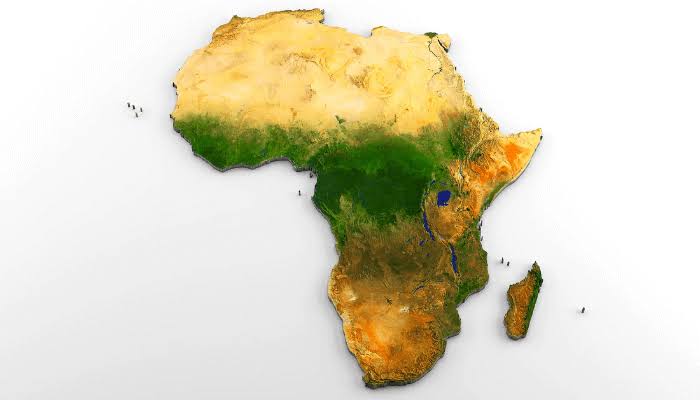
Right-sizing the Map of Africa
The United Nations General Assembly has taken a significant step towards correcting a centuries-old visual injustice against Africa by endorsing a resolution titled "Correct the Map." The resolution, initiated by Togo on behalf of the African Group and backed by the African Union, urges the adoption of equal-area projections to accurately represent Africa's true geographical size.
Addressing Africa's Vulnerabilities
While acknowledging the need to address Africa's vulnerabilities, the resolution does not propose a comprehensive strategy to tackle the continent's challenges. Instead, it calls for:
- Curbing external exploitation and financial flows by tightening transparency on extractive industries, cross-border tax cooperation, investment in climate-resilient livelihoods, and prioritizing children's education and primary healthcare.
- Reforming global governance to reflect Africa's weight by advocating for permanent African seats at the UN Security Council.
- Expanding vocational training corridors and investing in bordering African countries' agriculture and processing.
The Road Ahead
The adoption of the "Correct the Map" resolution is a necessary step towards rectifying a 450-year-old visual injustice against Africa. However, the adoption of this resolution does not provide a comprehensive strategy to tackle the continent's challenges. Instead, the resolution calls for:
- Addressing Africa's vulnerabilities through:
- Curbing external exploitation and financial flows by tightening transparency on extractive industries, cross-border tax cooperation, investment in climate-resilient livelihoods, and prioritizing children's education and primary healthcare.
- Reforming global governance to reflect Africa's weight by advocating for permanent African seats at the UN Security Council.
- Expanding vocational training corridors and investing in bordering African countries' agriculture and processing.
- Addressing Africa's vulnerabilities through:
- Strengthening transparency in extractive industries, promoting cross-border tax cooperation, investing in climate-resilient livelihoods, and prioritizing children's education and primary healthcare.
- Reforming global governance to reflect Africa's weight by advocating for permanent African seats at the UN Security Council.
- Expanding vocational training corridors and investing in bordering African countries' agriculture and processing.
- Addressing Africa's vulnerabilities through:
- Enhancing transparency in extractive industries, promoting cross-border tax cooperation, investing in climate-resilient livelihoods, and prioritizing children's education and primary healthcare.
- Reforming global governance to reflect Africa's weight by advocating for permanent African seats at the UN Security Council.
- Expanding vocational training corridors and investing in bordering African countries' agriculture and processing.
- Addressing Africa's vulnerabilities through:
- Enhancing transparency in extractive industries, promoting cross-border tax cooperation, investing in climate-resilient livelihoods, and prioritizing children's education and primary healthcare.
- Reforming global governance to reflect Africa's weight by advocating for permanent African seats at the UN Security Council.
- Expanding vocational training corridors and investing in bordering African countries' agriculture and processing.
- Addressing Africa's vulnerabilities through:
- Enhancing transparency in extractive
<small>Source: Vanguard News — read the original story there.</small>
The adoption of the "Correct the Map" resolution marks a significant step towards rectifying a 450-year-old visual injustice against Africa. However, the adoption of this resolution does not provide a comprehensive strategy to tackle the continent's challenges. Instead, the resolution calls for:
The adoption of the "Correct the Map" resolution marks a significant step towards rectifying a 450-year-old visual injustice against Africa. However, the adoption of this resolution does not provide a comprehensive strategy to tackle the continent's challenges. Instead, the resolution calls for:
The adoption of the "Correct the Map" resolution marks a significant step towards rectifying a 450-year-old visual injustice against Africa. However, the adoption of this resolution does not provide a comprehensive strategy to tackle the continent's challenges. Instead, the resolution calls for:
The adoption of the "Correct the Map" resolution marks a significant step towards rectifying a 450-year-old visual injustice against Africa. However, the adoption of this resolution does not offer a comprehensive strategy to tackle the continent's challenges. Instead, the resolution calls for:
