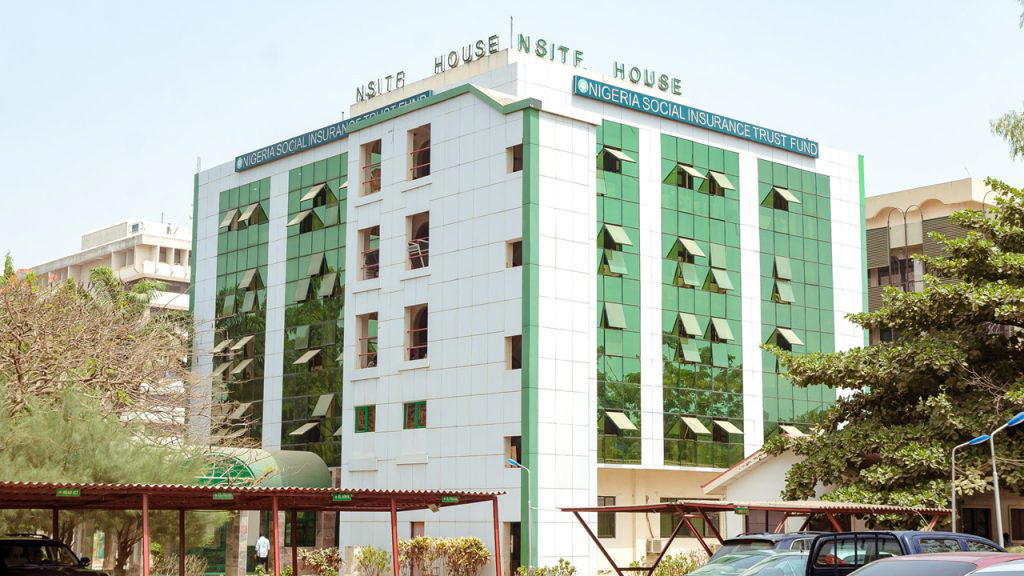
Oluwaseun Faleye, the Managing Director and Chief Executive of the Nigeria Social Insurance Trust Fund (NSITF), has urged Nigerian entrepreneurs to prioritize worker safety and social protection as they expand their businesses. Speaking in Lagos, Faleye argued that sustainable economic development is impossible without safeguarding the workforce that drives enterprise growth.
Faleye delivered the remarks on Monday at the Grow Nigerian Conference 2026, held at the Ecobank Pan African Centre in Victoria Island, Lagos. The three-day event, organized by the Small and Medium Enterprises Development Agency of Nigeria (SMEDAN) under Director-General Charles Odii, focused on the theme “The Next Frontier for Innovation, Policy and Market Access.” The conference gathered federal government representatives, development partners, and business leaders to discuss strategies for building resilient and productive enterprises.
Addressing the challenges facing Nigerian small and medium enterprises (SMEs), Faleye cited high energy costs, inflation, exchange rate pressures, and limited access to affordable financing. He emphasized that the goal is not merely to encourage business creation but to foster an environment where companies can survive, expand, and compete globally. “Behind every successful enterprise are people whose skills, commitment and labour sustain its operations. A business cannot truly be considered sustainable if its economic success is achieved at the expense of the safety, dignity and wellbeing of its workforce,” he stated.
Faleye highlighted the Employees’ Compensation Scheme, administered by the NSITF under the 2010 Act, which provides compensation, medical support, and income replacement for workers suffering work-related injuries or death. He clarified that the scheme is funded by a 1% employer contribution of total monthly payroll, rather than deductions from employee salaries. He noted that a safe and protected workforce is more productive and motivated, describing employee protection as an investment in long-term sustainability rather than a burden.
“Protecting workers is also good for business. A safe and protected workforce is more productive, motivated and committed. Employee protection should not be viewed as a burden, but as an investment in long-term sustainability,” Faleye said.
Noting low awareness of the scheme among small businesses, Faleye proposed a deeper partnership between the NSITF and SMEDAN. He suggested integrating occupational safety and compensation information into entrepreneurship training and business development programs. Other proposed areas of collaboration include joint awareness campaigns, engagement with business associations, and the creation of accessible channels for registration and compliance support.
Faleye concluded by calling for a whole-of-economy approach involving financial institutions, government, and development partners. He urged that the proposed National MSME Policy explicitly embed decent work, occupational safety, and social protection to ensure that Nigeria’s economic transformation does not leave workers unprotected as the nature of work evolves with digital platforms and e-commerce.
<small>Source: Vanguard News — read the original story there.</small>
