Democratic prospects for reclaiming control of the U.S. House of Representatives in November may depend heavily on voter sentiment regarding inflation, with four competitive congressional races in Pennsylvania emerging as pivotal battlegrounds.
While Democrats are currently favored to win the majority of House seats, the specific size of their potential majority is expected to hinge on a small number of closely contested districts. Pennsylvania has been identified as a key state in this dynamic, particularly after President Donald Trump and the Republican Party secured significant electoral gains in the 2024 elections.
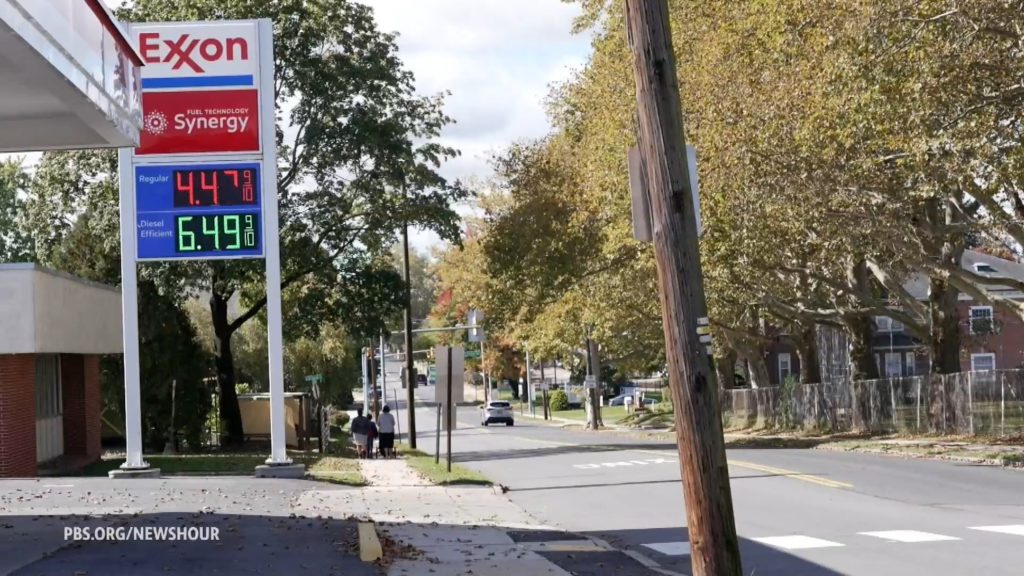
The Democratic strategy centers on the belief that the president’s low approval ratings and widespread public frustration over high consumer prices will shift the political landscape in their favor. Party officials are betting that economic dissatisfaction will outweigh previous partisan loyalty in these critical districts.
These four races in Pennsylvania are viewed as potential tipping points for the broader national election. If Democrats can convert economic discontent into votes in these specific constituencies, they could secure a more substantial margin of victory in the House.
Conversely, if Republican incumbents can maintain their base despite economic headwinds, the Democratic majority could be narrower than projected. The outcome of these Pennsylvania contests will likely serve as a primary indicator of how effectively either party can capitalize on or mitigate current economic anxieties among voters.
<small>Source: PBS NewsHour — read the original story there.</small>