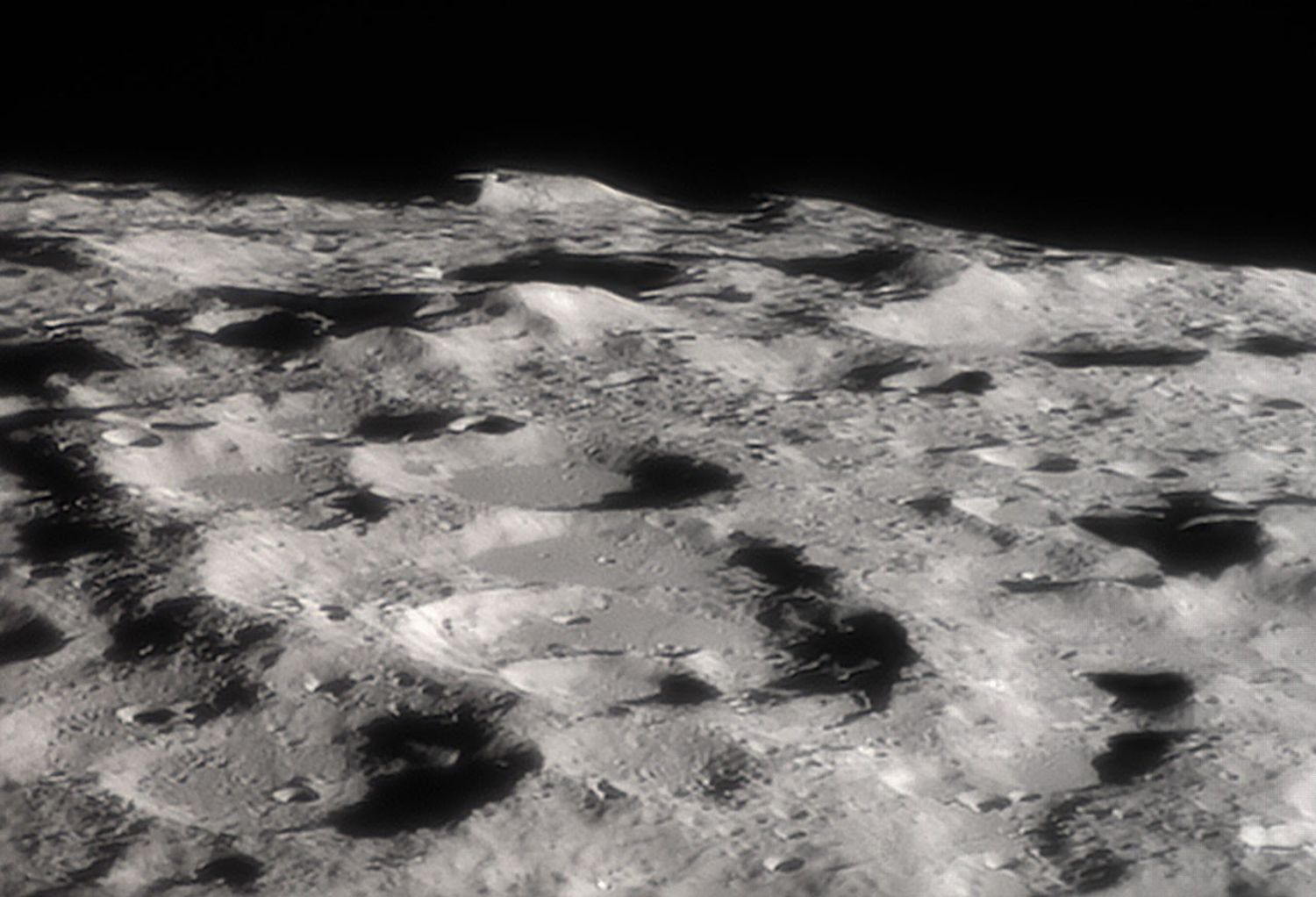
NASA announced on Sept. 22, 2025, at its Johnson Space Center in Houston that it is now accepting applications for the agency’s next astronaut class, which will support America’s return to the Moon, the construction of a lunar base, and the groundwork for crewed missions to Mars.
U.S. citizens must submit a complete application by 11:59 p.m. EST on Thursday, Dec. 3, 2025. Applications are filed online at https://go.nasa.gov/3WyvlQi.
“This is an extraordinary time to join NASA’s astronaut corps,” NASA Administrator Jared Isaacman said. “The people we select could walk on the Moon, live and work at the Moon Base, and help pioneer the systems and operations that will ultimately carry crews to Mars.”
Deputy Administrator Matt Anderson added, “The window is open. The mission is waiting. And the only thing missing from the greatest adventure humanity has ever embarked upon is you.”
Chief astronaut Scott Tingle, chair of the Astronaut Selection Board, noted, “For those who apply, becoming a NASA astronaut is more than a career opportunity. It is a chance to join a legacy of explorers who have pushed the boundaries of discovery and play a role in the missions that will shape humanity’s future in space.”
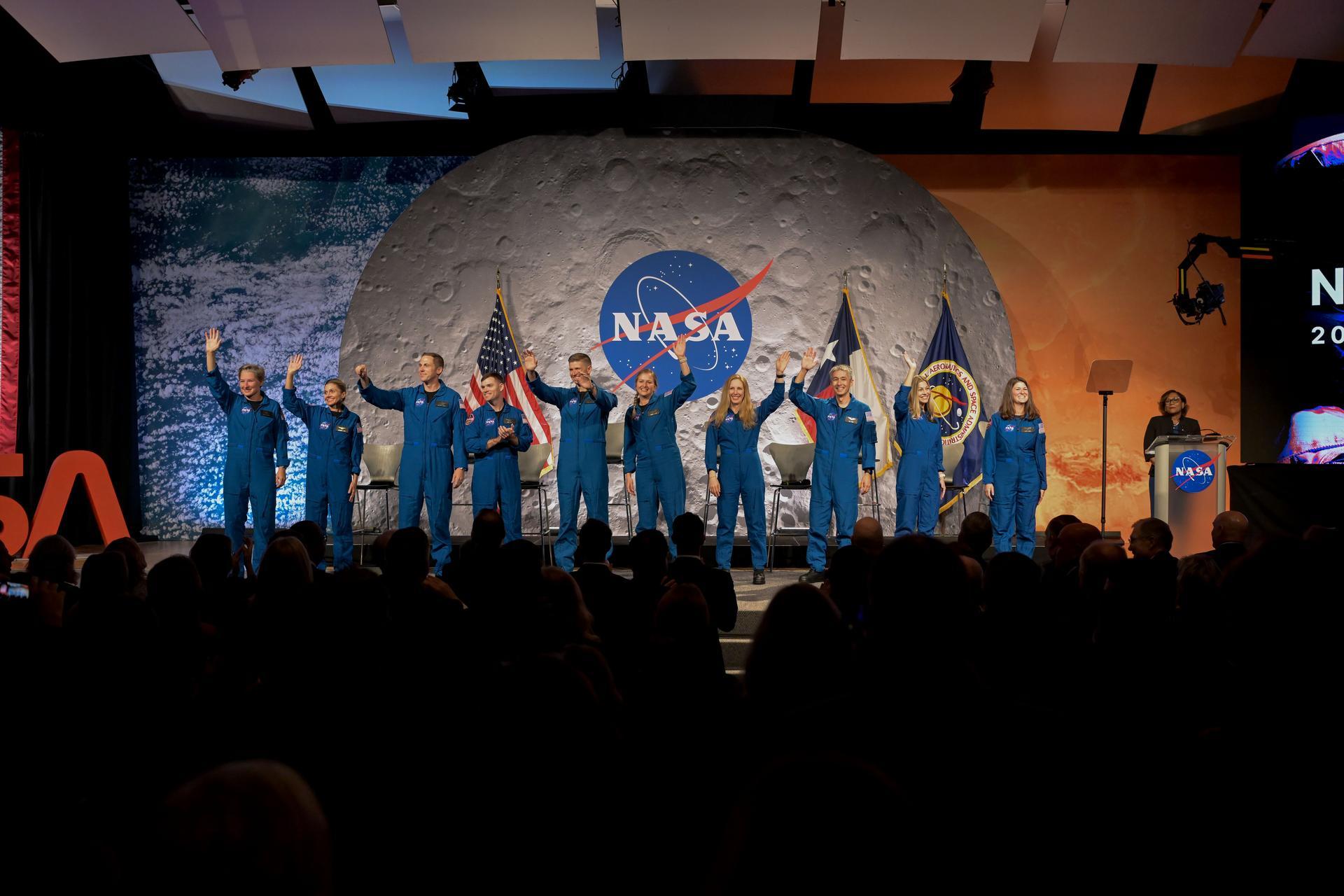
NASA expects to make its final selections in late 2027, after which the new candidates will begin training. The agency’s 2025 class, chosen from more than 8,000 applicants, currently comprises ten astronaut candidates who are completing nearly two years of training. Today, 32 astronauts are active in the corps, and since the 1960s NASA has selected 370 people to train as astronaut candidates.
Applicants must be U.S. citizens and hold a master’s degree in a STEM field (engineering, biological science, physical science, or computer science) or meet one of the following equivalents:
- At least two years toward a doctorate in an appropriate technical field.
- A medical degree (MD, DO, PA, DNP, FNP, or related).
- Completion of a nationally recognized Test Pilot School program by July 2027, plus a bachelor’s degree in a STEM field if the test‑pilot program is the sole advanced degree.
In addition, candidates need at least three years of relevant professional experience after their qualifying degree. Pilots must satisfy specific flight‑hour thresholds (e.g., 750 hours as pilot‑in‑command of high‑performance jets). Medical doctors may count residency training toward the experience requirement, also to be completed by July 2027. All candidates must pass NASA’s long‑duration astronaut flight physical and demonstrate strong leadership, teamwork, and communication skills.
Further details on the application process and a career as a NASA astronaut are available at go.nasa.gov/astro2026.
<small>Source: NASA — read the original story there.</small>