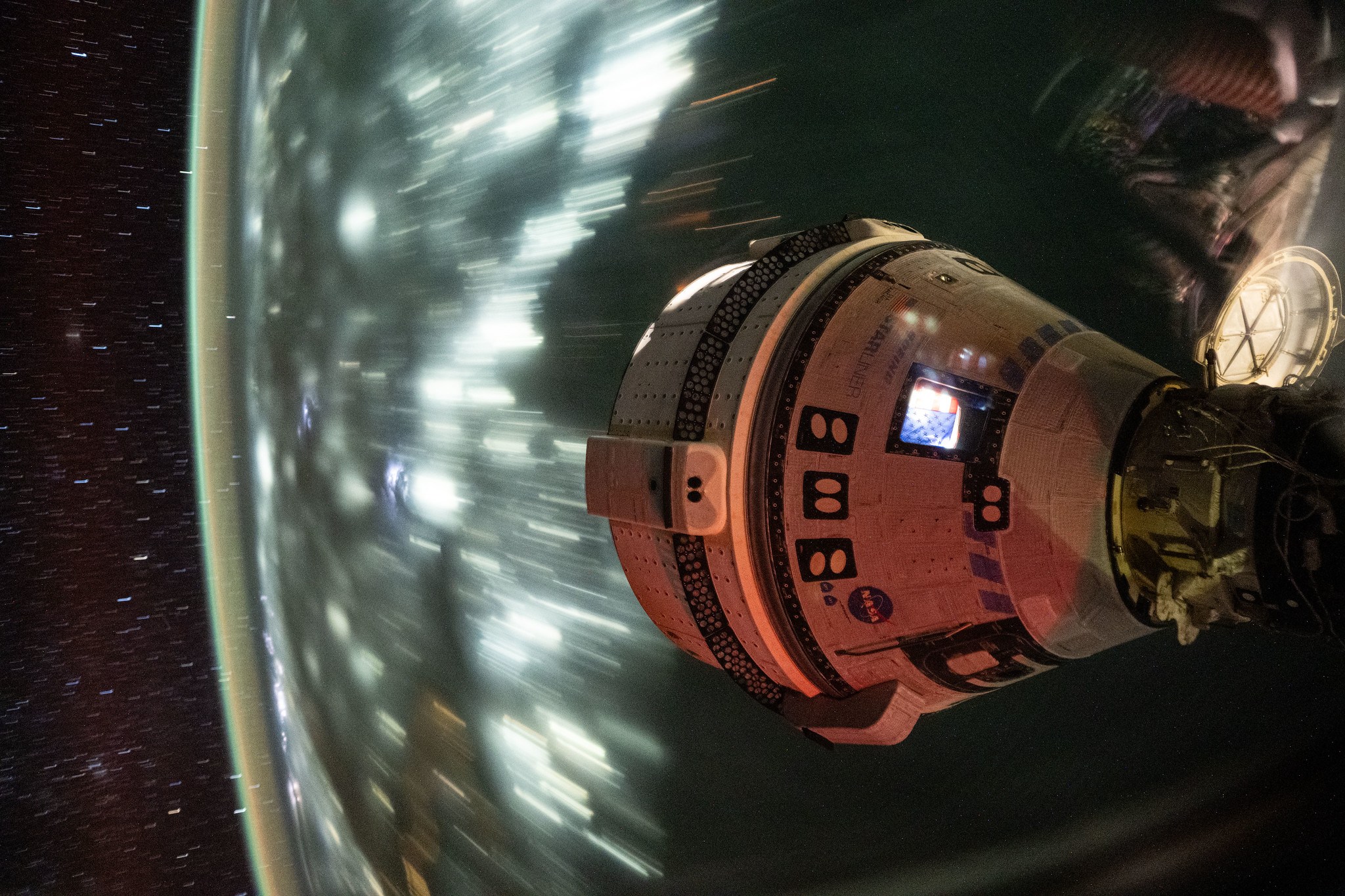
NASA and Boeing announced on Monday that the Starliner spacecraft will return to flight with an uncrewed Starliner‑1 mission to the International Space Station (ISS) later this year or early 2027. The update follows a series of corrective actions aimed at addressing the problems that caused the 2024 Crew Flight Test to end with a safe, uncrewed return.
“We are living through the most exciting era of space exploration since Apollo,” said NASA Administrator Jared Isaacman. “As this domain continues to open, there will be growing demand for launch vehicles, transfer stages, landers, and, of course, spacecraft that carry astronauts. NASA has been committed to having multiple crew transportation options since the beginning of the Commercial Crew Program.”
NASA will exercise options for a fifth and sixth Starliner flight to the ISS and will work with Boeing and United Launch Alliance to certify the Vulcan rocket for crew transport after the final Atlas V flight. The agency’s plan is to return astronauts on Starliner‑2 by 2028.
Starliner‑1 will serve as an engineering evaluation mission to validate thermal modifications to the service module, gather flight data, and identify residual risk before crewed flights. The spacecraft will be launched on a ULA rocket and will dock with the ISS’s Harmony module’s forward port.
The Program Investigation Team’s February report identified 61 recommendations, including issues with the service module reaction‑control thrusters operating outside their engineering qualification. Boeing has made thermal modifications to the thrusters and will add a new valve design to improve performance. NASA will evaluate these changes on Starliner‑1.
“Starliner’s next flight is a critical step on the path to achieving full system certification and ensuring a sustained human presence in low Earth orbit,” said Dana Weigel, manager of NASA’s Low Earth Orbit Program. “With the safety of our space station crew and the public as our highest priority, we will test Starliner’s propulsion system through targeted demonstration objectives and disciplined operational controls.”
Following the uncrewed mission, NASA and Boeing will complete additional improvements, including new crew‑module thrusters, batteries, and minor parachute system modifications, to support full certification of the spacecraft for future crewed flights.
<small>Source: NASA — read the original story there.</small>


