Microsoft has been deeply committed to the growth of generative AI technology in recent years through its
now-fragmented partnership with OpenAI. At Build 2026, the company remains all-in on AI, and it’s looking toward the future with a new software platform. The new Android-based OS is called Project Solara, and Microsoft says Solara is designed to run agents instead of apps.
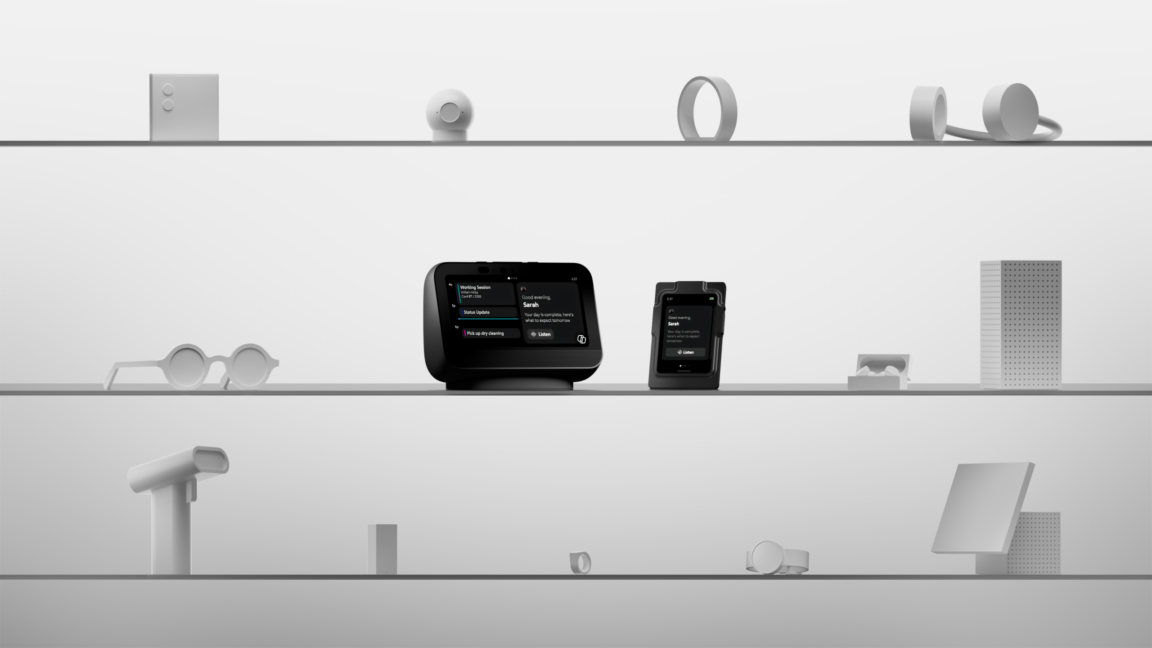
Project Solara is not something you’ll have to worry about killing your apps anytime soon. It’s limited to a few pieces of concept hardware and software that are awaiting the magical agents of the future. The vision is for Solara to run on myriad specialized devices with interfaces generated on the spot, and it’s all powered by the explosive intelligence of models that Microsoft and others insist will soon exist.
According to Microsoft, Solara is a chip-to-cloud platform intended to free agents from reliance on single interfaces. Much of Microsoft’s messaging around AI is speculative and self-serving, but the company rightly points out that new computing form factors have always required specialization, and that process is complex and expensive. The shift to mobile computing, for example, tripped Microsoft up multiple times as it fell behind on app availability, security, and long-term support.
But imagine none of that mattered because you have a gaggle of AI agents that build what you need based on context. That’s Project Solara, which is based on an open source build of Google’s Android software (AOSP). Microsoft can’t really call it Android as it’s not a licensed package—the underlying OS is called the Microsoft Device Ecosystem Platform. It includes various Microsoft enterprise technologies, along with a shell that can interact with multiple AI agents.
Microsoft says Solara is being designed around a concept called just-in-time UI. Rather than manually designing interfaces and content for a watch, a desktop monitor, or smart glasses, Solara would use agents to create interfaces that make sense in the moment. So your work badge, which runs a full Android OS for some reason, could display a minimal interface with one or two functions, but the same functions on a smart display would include more data and features.
<small>Source: Ars Technica</small>