Experts say the natural warming cycle is sizzling Pacific Ocean waters and leaking moisture into the air that can fuel passing storms, a development that has drawn attention to the Southwest’s vulnerability to severe weather.
The warming cycle refers to the periodic rise in sea‑surface temperatures across the central and eastern Pacific. As the water heats, it releases more moisture into the atmosphere, a process that can feed into storm systems moving across the region.
When this extra moisture is drawn into a storm, it can increase rainfall and wind intensity. The result is a higher potential for heavy downpours and strong winds as the system travels over land.
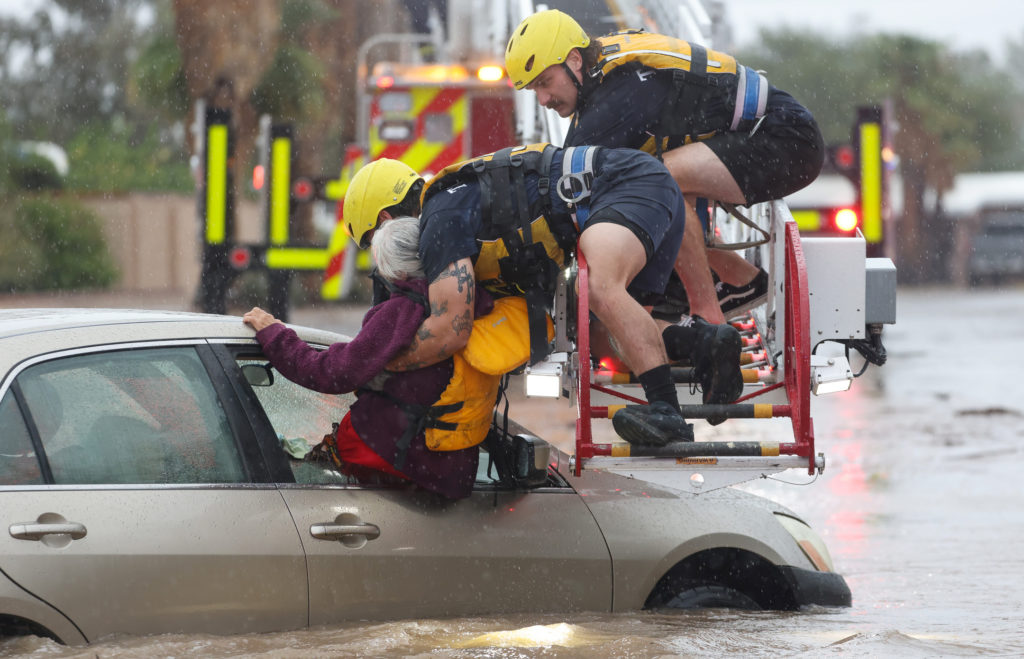
In the Southwest, where flash floods and intense storms are already a concern, the additional atmospheric moisture could exacerbate these events. Local weather services are monitoring the situation closely to improve forecasting and emergency response.
Scientists continue to study the links between Pacific warming, moisture release, and storm activity to better predict how these natural cycles may shape weather patterns in the coming months.
<small>Source: PBS NewsHour — read the original story there.</small>