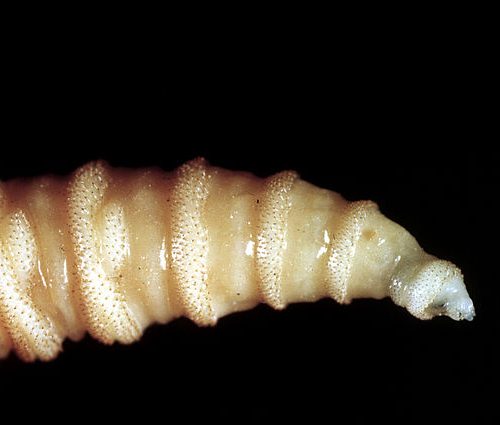
A flesh-eating screwworm fly infestation in Mexico has resulted in over 500 human cases since its reinvasion in 2024, according to a recent surveillance report from Mexico's Ministry of Health. The report, which covers cases from 2025 and 2026, highlights the growing concern surrounding the parasite's impact on human health.
A study published in the journal Emerging Infectious Diseases analyzed data from over 200 confirmed cases reported between April 2025 and March 2026. The findings indicate that the infestation pace is increasing, with six deaths reported among the confirmed cases. At least one of these deaths was directly caused by the fly's maggots, according to researchers in Mexico.
The New World screwworm (NWS) fly, which was once endemic in Mexico and the US, lays hundreds of eggs in the wounds, inflamed tissue, mucous membranes, and orifices of warm-blooded creatures. The resulting maggots hatch within a day and begin feasting on the living flesh of their victims, generating ghastly, life-threatening wounds.
While the fly's maggots can affect a variety of warm-blooded species, including humans, they are particularly devastating to livestock. The increasing number of human cases in Mexico has raised concerns about the need for effective measures to control the spread of the parasite and prevent further infestations.
The Mexican government's surveillance report and the study published in Emerging Infectious Diseases provide valuable insights into the scope of the problem and the need for continued monitoring and research. As the situation continues to evolve, it is essential to track the spread of the parasite and develop strategies to mitigate its impact on human health and livestock.
The reinvansion of the flesh-eating screwworm fly in Mexico serves as a reminder of the importance of disease surveillance and control measures. The international community will be closely watching the situation in Mexico, as the parasite's spread has significant implications for public health and animal welfare.
<small>Source: Ars Technica — read the original story there.</small>