Climate Change Alters Nature's Colors: An Illustrated Journey
Climate change is having a visible impact on the world around us, altering the colors we see in various ecosystems. From the Arctic to insect bodies, these changes are becoming increasingly evident.
Arctic Landscapes
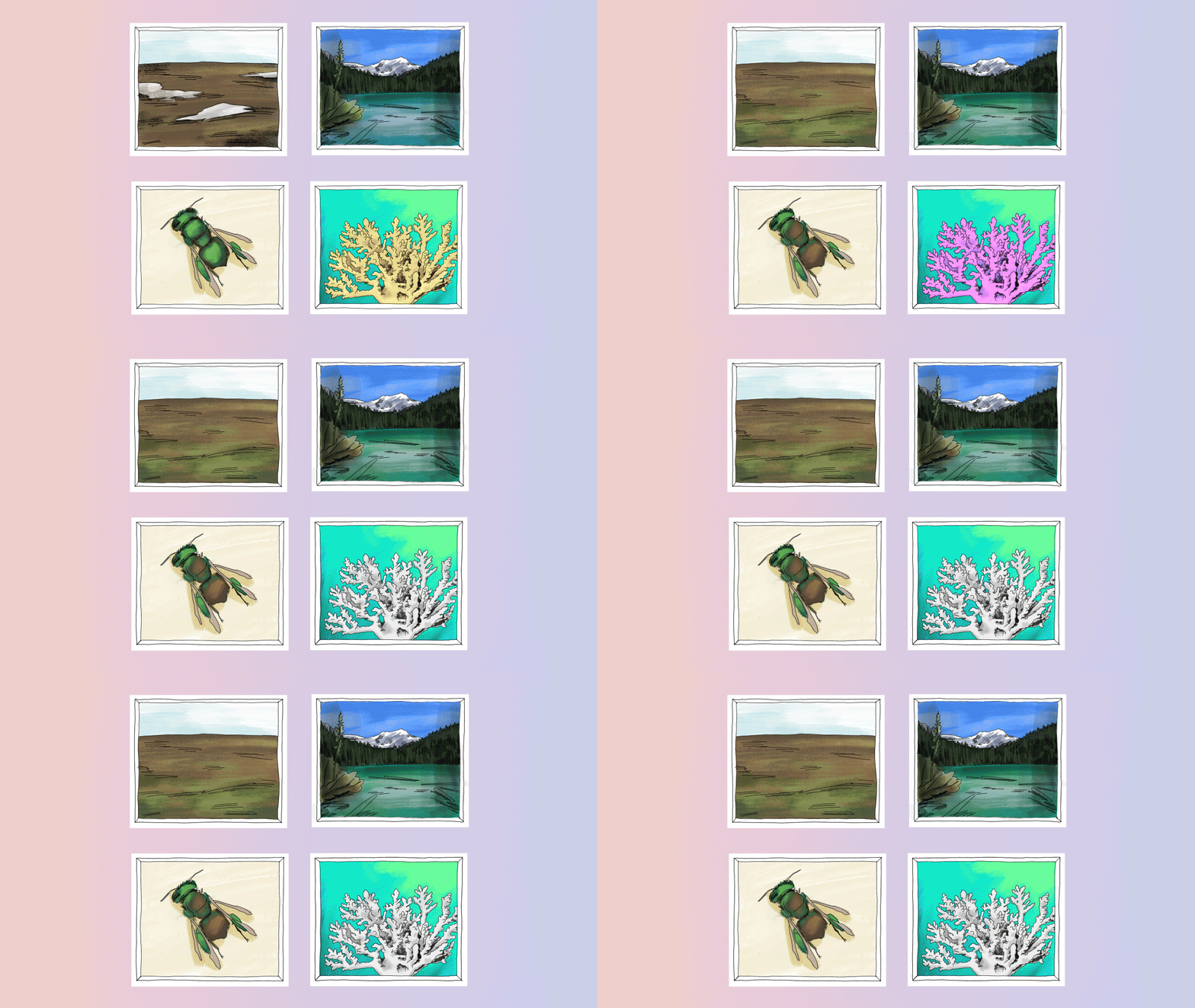
In the Arctic, melting ice and thawing permafrost are revealing colors that were once concealed. As the ice recedes, the vibrant shades of blue, green, and purple emerge, showcasing the diverse flora and fauna that have been hidden for centuries.
Insect Bodies
The changing climate is also affecting the appearance of insects. Warmer temperatures are causing some species to evolve faster, leading to variations in color patterns and markings on their bodies. These changes may play a crucial role in their survival and adaptation to new conditions.
Nature's Palette
The world's natural colors are shifting as a result of climate change. From the vivid reds and oranges of autumn leaves to the blooming flowers, these changes highlight the delicate balance of ecosystems and the urgent need for global action to mitigate the impacts of climate change.
Adapting Species
As temperatures rise, various species are evolving to adapt to the changing conditions. For example, the iconic monarch butterfly is experiencing a decline in population due to habitat loss and climate change, prompting researchers to study their migration patterns and color changes to better understand and protect this iconic species.
The Need for Action
The changes in nature's colors serve as a powerful reminder of the urgent need for global action on climate change. It is crucial that we reduce our carbon footprint, adopt sustainable practices, and work together to safeguard the delicate balance of ecosystems and the species that call them home.
Illustrated Evidence
- The Arctic: As ice melts, the hidden flora and fauna reveal their vibrant colors.
- Insects: Warmer temperatures cause color variations in species' bodies.
- Autumn Leaves and Flowers: Nature's palette adapts to climate change.
- Monarch Butterfly: Studying migration patterns and color changes can help protect endangered species.
The changes in nature's colors serve as a powerful reminder of the urgent need for global action on climate change. It is crucial that we reduce our carbon footprint, adopt sustainable practices, and work together to safeguard the delicate balance of ecosystems and the species that call them home.
<small>Source: NPR — read the original story there.</small>