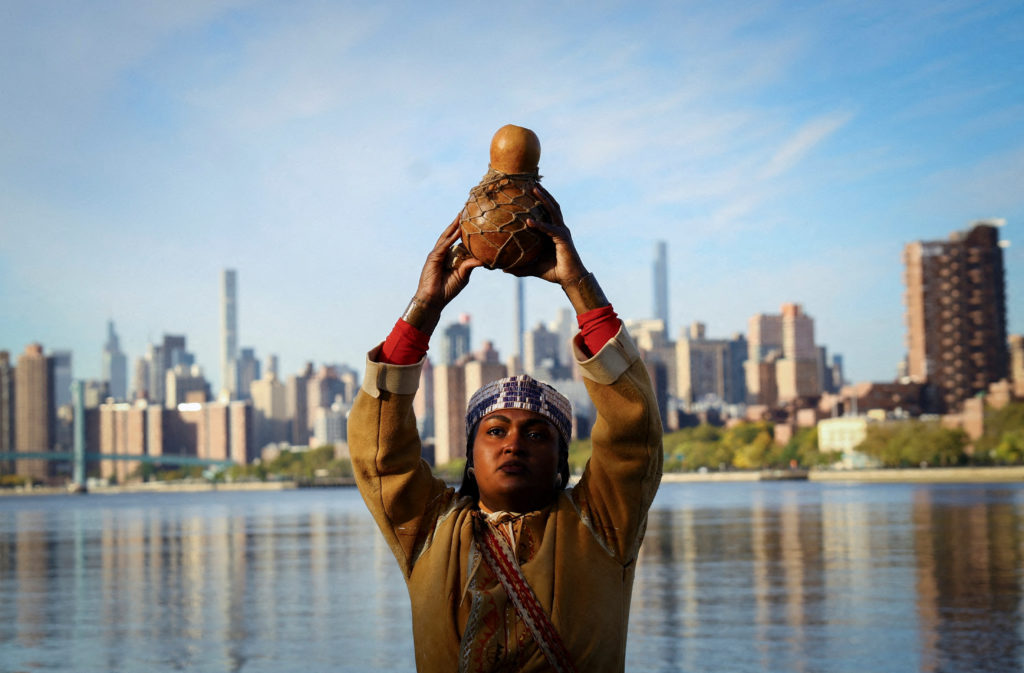
Indigenous Peoples Day is a holiday that has been observed for decades, celebrated in a variety of ways and under different names across the globe. The day is dedicated to honoring the history and culture of Indigenous peoples, while also acknowledging the ongoing challenges they face.
Over the years, the observance has taken many forms, from formal ceremonies and educational programs to community festivals and cultural exhibitions. Each iteration reflects the unique traditions and histories of the Indigenous communities it represents.
Central to the celebration is the recognition of the enduring legacy of Indigenous peoples. Their cultures, languages, and traditions have survived centuries of adversity, and the day serves as a platform to share these stories with wider audiences.
At the same time, Indigenous Peoples Day highlights the contemporary struggles that persist. Issues such as land rights, environmental protection, and cultural preservation remain pressing concerns for many Indigenous communities worldwide.
By bringing these histories and challenges into public consciousness, Indigenous Peoples Day encourages dialogue, understanding, and support for the continued resilience and contributions of Indigenous peoples.
<small>Source: PBS NewsHour — read the original story there.</small>