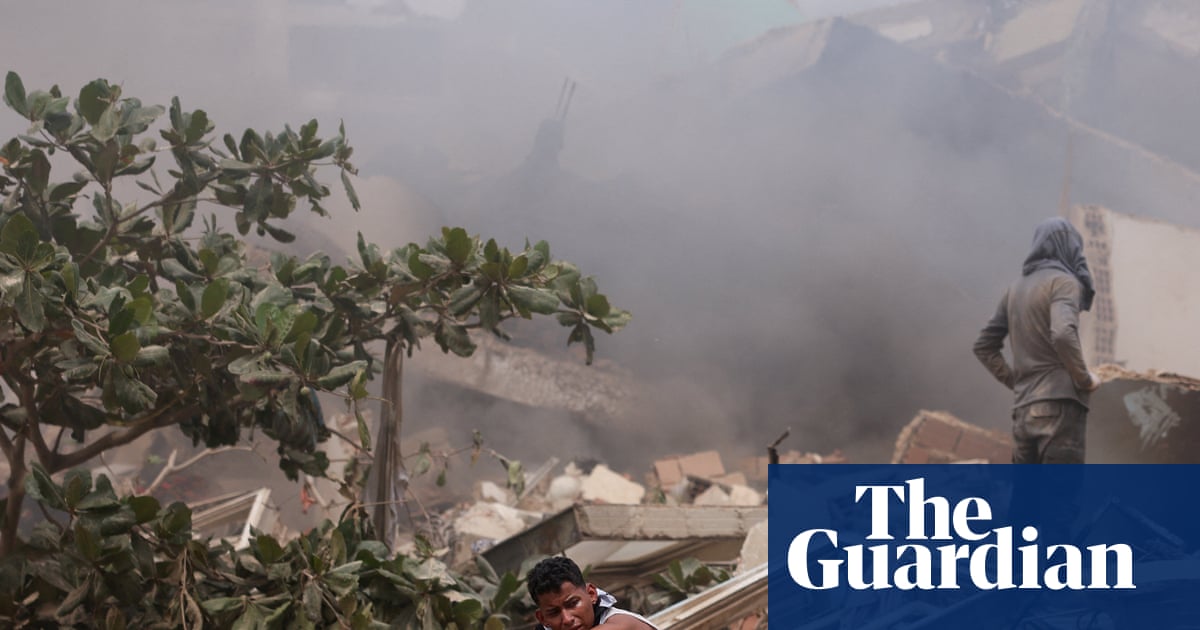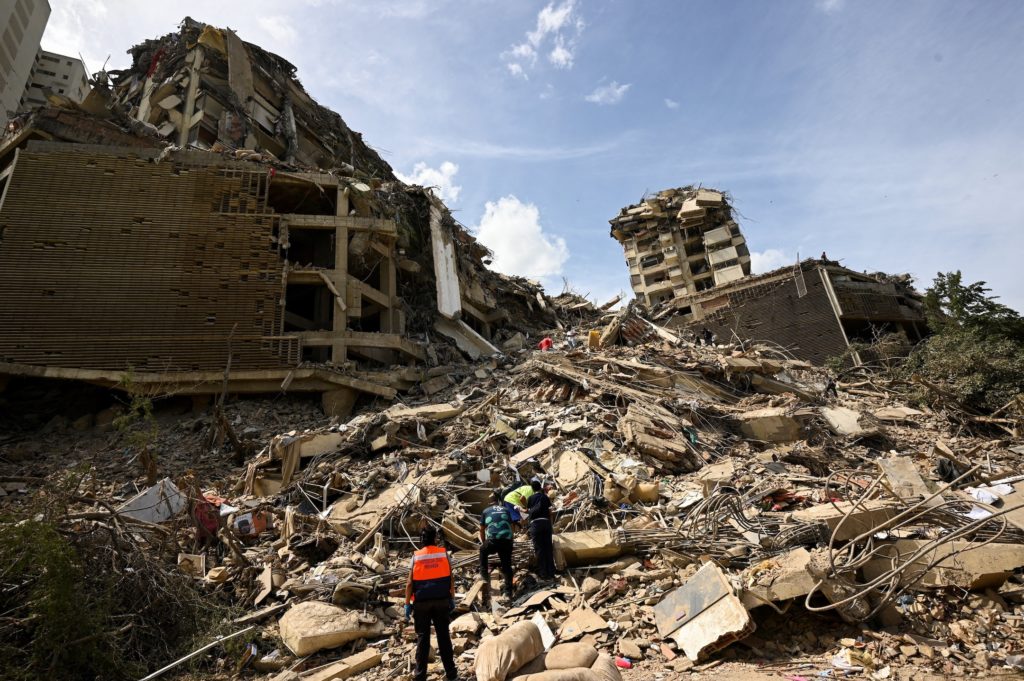
The U.S. and other nations are mobilizing relief efforts to assist the government in Venezuela following the twin earthquakes. Special correspondent Mónica Villamizar has extensive experience reporting in Venezuela and joined Amna Nawaz from Bogotá, Colombia, to discuss the latest developments. Amna Nawaz: Venezuela's neighbor to the west, Colombia, was shaken by its own earthquake yesterday, but nothing near the scale of the Venezuelan tremors. Special correspondent Monica Villamizar is in the Colombian capital of Bogota. She has long experience reporting in Venezuela, and she joins us now. Monica, it's good to see you. Thanks for joining us. Monica Villamizar: It's great to be here, Amna. Amna Nawaz: So this was an absolutely devastating earthquake in Venezuela. Just tell us what you're learning about the scale of the damage and what you're hearing from people inside Venezuela right now. Monica Villamizar: I have a whole documentary crew on the ground. And, thankfully, they're safe. But I can tell you, Amna, that what we are hearing is that the devastation is likely to be way more severe than the reports, the official reports, we're seeing. Communications are disrupted, to say the least. And that means that the statistics regarding the injured, casualties are not reliable at this point in the capital, Caracas. It's a capital of three million people. And a lot of the buildings there, Amna, are very old. I can tell you that by experience. They do not follow the code or systemic regulations, so the ones that are still standing are very frail, some of those, and they can also collapse if there are aftershocks. And, as we know, there have been aftershocks. Amna Nawaz: As you well know from covering these kinds of disasters in the past, these first 24, 48 hours are absolutely critical when it comes to search-and-rescue. What else are you hearing in terms of the challenges for the first responders? And where's the greatest need right now? Monica Villamizar: Well, that's a great question. And we are hearing reports that the emergency -- early emergency warning system did not work. So people did not know what to do, and then there was the aftershock, very strong aftershock, indeed. So that could have saved lives maybe. As you know, covering so many earthquakes, these early warning systems do make a difference. And, sadly, this did not work, apparently. We understand and there are reports that people in neighborhoods have not seen a single ambulance or emergency rescue worker. So that, again, is very worrying. The critical challenges that you ask, well, Venezuela is a very polarized society right now. However, we're hearing that there's a lot of solidarity, people helping neighbors, digging themselves, helping dig through the rubble to find their loved ones. One thing to bear in mind, Amna, is that about eight million people have left Venezuela, so the diaspora now too a lot of anxiety because families have been separated, and they do not know what happened to their loved ones. The Internet is down. Communications are down. And, on the other hand, they're seeing some of the social media videos that are really quite frightening and that we saw on your reporting. Amna Nawaz: And, as we have been covering, there was so much economic and political instability before this tragedy. This is, of course, where the U.S. had gone in and arrested the former President Nicolas Maduro earlier this year. What did all that mean for how this country can now respond to the emergency? Monica Villamizar: Absolutely. As you say and what people are telling me is, look, we have been hit by a political crisis, economic crisis. Let's remind our viewers that only yesterday there was news that Venezuela has one of perhaps the largest sovereign debts in the world, so a very dire situation, and now this natural disaster on top of it all. We know Delcy Rodriguez has said and asked for help from other countries. And the U.S. and the State Department has pledged that some people are already on their way. This help is much needed, because it's a very challenging situation on the ground. There's a security situation, There's a lot of crime in Venezuela. And the gangs and colectivos, which are like armed civil militias, but loyal to the regime, control entire neighborhoods. So that's going to maybe hamper efforts. And we're already hearing reports from La Guaira that there is some looting. Amna Nawaz: Special correspondent Monica Villamizar joining us from Bogota, Colombia, tonight. Monica, thank you. Monica Villamizar: Thanks for having me.
<small>Source: PBS NewsHour</small>