Your support makes our work possible.
Jon Gambrell, Associated Press
Jon Gambrell, Associated Press
Darlene Superville, Associated Press
Darlene Superville, Associated Press
Konstantin Toropin, Associated Press
Konstantin Toropin, Associated Press
Leave your feedback
DUBAI, United Arab Emirates (AP) — The U.S. military said Tuesday it has begun strikes against Iran following the crash of a U.S. Army Apache helicopter off the coast of Oman that U.S. President Donald Trump blamed on the Islamic Republic.
READ MORE: Trump says U.S. 'must' respond after Iran shots down Army helicopter near Strait of Hormuz
In a statement posted to social media, U.S. Central Command said the strikes would be "a proportional response to unjustified Iranian aggression." It comes after Trump blamed Iran for downing the helicopter and vowed that the U.S. would respond.
Trump had blamed Iran for shooting down a helicopter close to the Strait of Hormuz and said the United States must respond. Iran's top diplomat said foreign military forces near the country's territory "are at constant risk."
In the first known operation of its kind by the American military, a drone boat rescued the two aviators who were aboard the Apache attack helicopter when it went down near the critical shipping lane that Iran has effectively closed during its war with the U.S. and Israel.
Trump said in a social media post that military officials told him "the Iranians shot down one of our highly sophisticated Apache Helicopters." Both service members "are safe and uninjured," he added.
"Nevertheless, the United States must, of necessity, respond to this attack," Trump wrote.
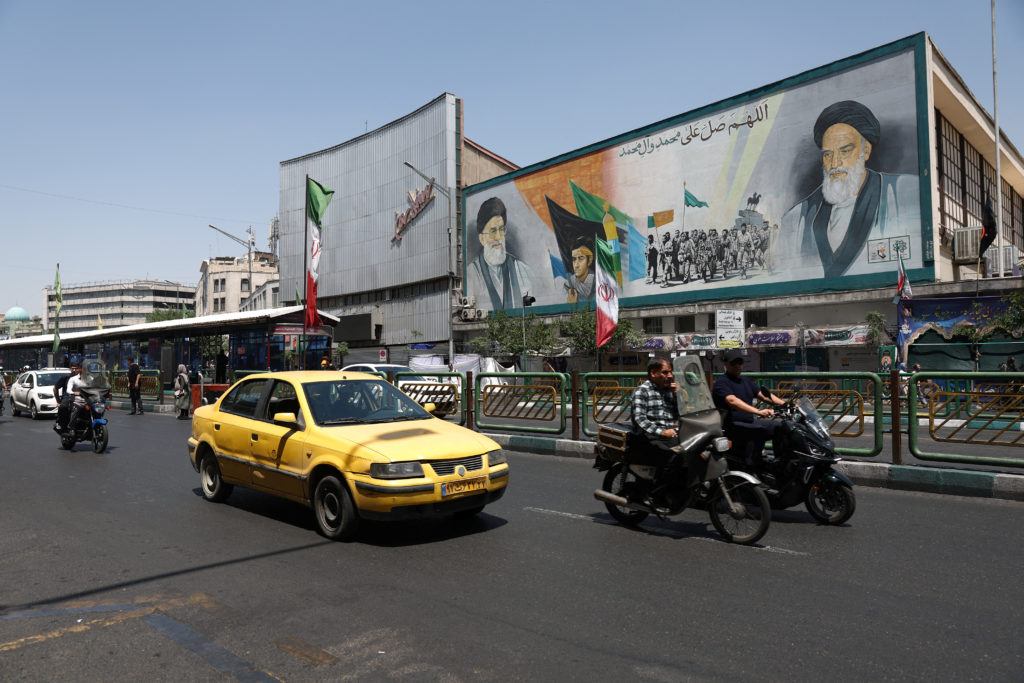
Soon after Trump made his accusation, Iranian Foreign Minister Seyed Abbas Araghchi said in a social media post that the strait is "thousands of miles away from U.S. shores."
"Foreign forces in proximity to our territory are at constant risk on account of their own human errors, plain accidents, or potentially being caught in crossfire," Araghchi wrote. "To reduce risk, best solution is for them to leave."
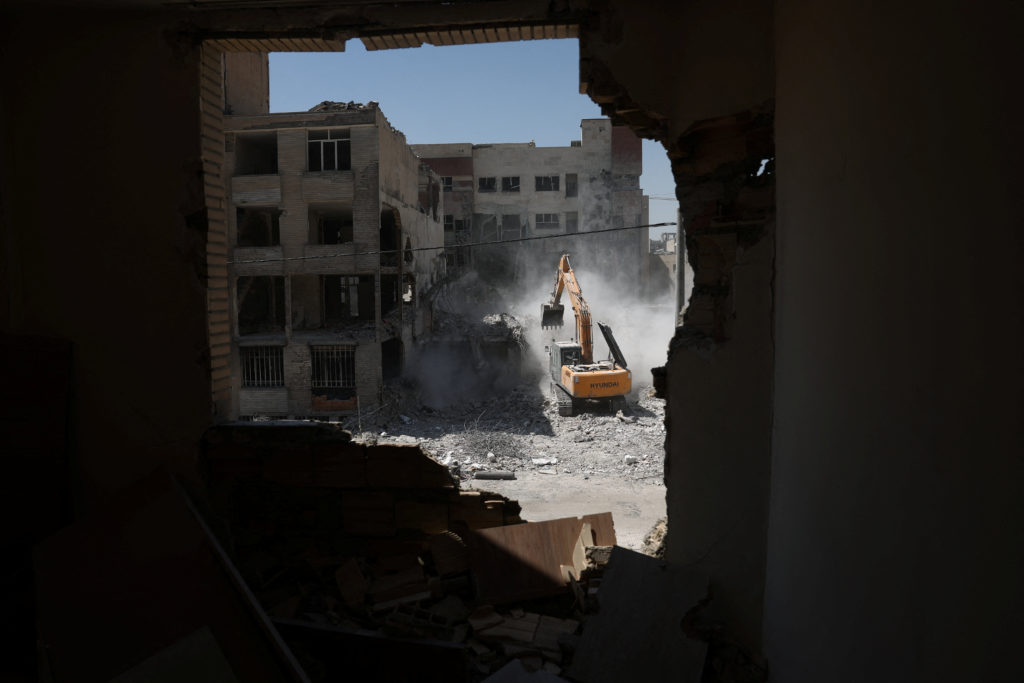
The downing of the helicopter further strained a two-month ceasefire a day after Iran and Israel exchanged fire for the first time since the fragile truce took effect. Iranian state television said Tuesday that the Israeli attacks killed at least two members of the country's air-defense units.
Since the U.S. and Israel began striking Iran on Feb. 28, the war has shaken the global economy, driven up energy prices around the world and made many basics, including food, more expensive.
Officials have been unable to turn the April ceasefire into a deal to permanently end the conflict, particularly as Israel intensifies and expands its military campaign in Lebanon against the Iranian-backed militia Hezbollah.
Superville and Toropin reported from Washington. Associated Press writers Michelle L. Price in New York, Will Weissert in Washington, Bassem Mroue in Beirut, Munir Ahmed in Islamabad and Russ Bynum in Savannah, Georgia, contributed to this report.
Support trusted journalism and civil dialogue.
Jon Gambrell, the news director for the Gulf and Iran for The Associated Press, has reported from each of the Gulf Cooperation Council countries, Iran and other locations across the world since joining the AP in 2006.
Support Provided By:
Learn more
Subscribe to Here’s the Deal, our politics
newsletter for analysis you won’t find anywhere else.
Thank you. Please check your inbox to confirm.
<small>Source: PBS NewsHour</small>