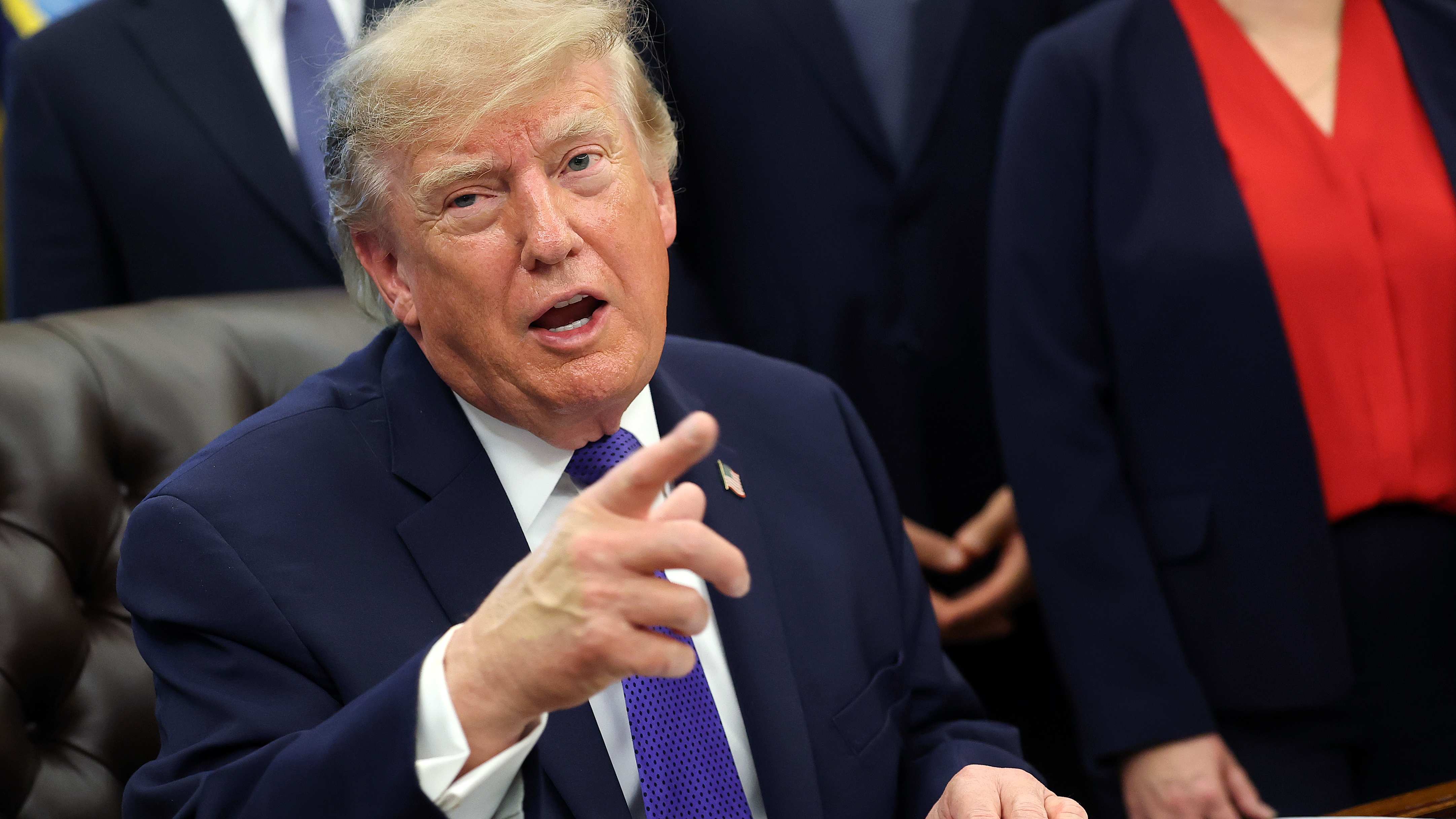
President Donald Trump on Monday rejected a report that he had offered Iran any sanctions relief or access to frozen funds, while confirming that U.S. and Iranian negotiators are exchanging messages through mediators. The denial came as Iran’s foreign minister, Abbas Araghchi, said Tehran expects a formal U.S. response on Tuesday to its proposal to reopen the Strait of Hormuz.
Trump posted on his Truth Social platform, “I offered them NOTHING!” in direct response to an Axios story that suggested he was open to easing sanctions in exchange for progress on Iran’s nuclear program. A U.S. official told CBS News that the president is willing to consider sanctions relief and the release of frozen assets if concrete nuclear‑related steps are taken, but emphasized that no agreement will be reached unless the nuclear issue is addressed.
Araghchi, speaking from New York during the U.N. General Assembly, said Qatari intermediaries have presented ideas to both sides and will raise the matter with the American side again, hoping to convey the final U.S. response by the next day. Iran’s chief negotiator and parliament speaker, Mohammad Bagher Ghalibaf, warned that without security guarantees for Tehran, “no infrastructure in the region will be safe,” underscoring the broader stakes of the talks.
Last week Iran put forward a seven‑day cease‑fire and a phased reopening of the strait, contingent on the United States meeting conditions outlined in a mid‑June memorandum of understanding that later collapsed. Trump publicly rejected that proposal, and Iranian officials have reiterated that they will not alter their demands.
The diplomatic uncertainty is spilling over into markets. U.S. Treasury yields climbed to their highest levels in roughly two decades on Monday, pushing stocks lower, while oil prices have swung on doubts about when tanker traffic can resume through the Hormuz corridor. At the same time, the Trump administration is reportedly weighing a temporary ban on diesel exports, a move that could affect domestic gasoline prices as the war‑related surge in fuel costs strains American motorists and businesses.
<small>Source: Yahoo News — read the original story there.</small>