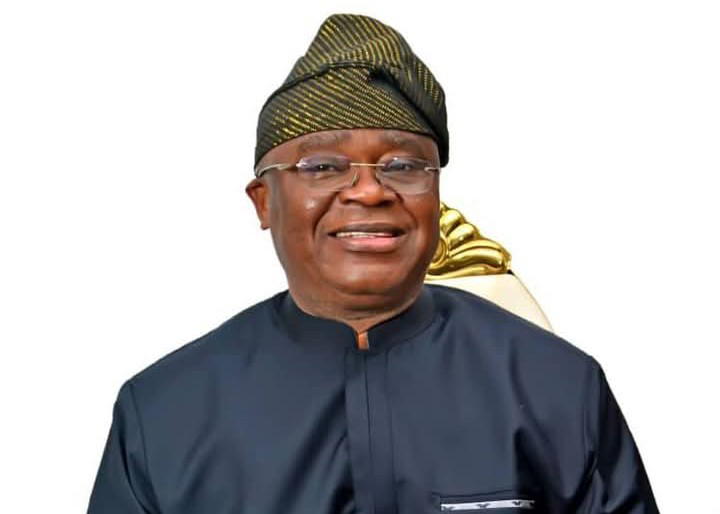
In Abuja, Dr Kayode Opeifa, Managing Director and Chief Executive Officer of the Nigerian Railway Corporation (NRC), said the country could slash high logistics costs by integrating its rail, road, maritime and other transport systems. Speaking through his Special Adviser, Media, Yinka Aderibigbe, at the Transport Correspondents Association of Nigeria (TCAN) conference, Opeifa highlighted the link between an efficient multimodal network and Nigeria’s economic competitiveness.
“Nigeria’s economic competitiveness depends largely on an efficient multimodal transport network capable of moving goods seamlessly from ports and production centres to markets,” Opeifa said. He urged that rail, road, maritime, inland waterways and aviation operate as interconnected components of one transport system rather than independently, a move he said would reduce the cost of doing business, improve market access for producers and strengthen the country’s capacity to compete in regional and global trade.
“Transportation should be regarded as critical economic infrastructure, rather than merely a means of moving people and goods,” Opeifa added, noting that an efficient transport system is central to productivity, trade, industrial development and job creation.
Opeifa identified rail as a critical element of an integrated network because of its capacity to move large volumes of passengers and bulk cargo over long distances. He said greater use of rail would ease pressure on highways, reduce logistics costs and facilitate the movement of agricultural produce, petroleum products, containers and other commodities across the country. The NRC is expanding its focus beyond passenger services by strengthening freight operations and improving connections between railway lines, seaports, inland dry ports, industrial centres and major economic corridors.
“Seamless connections between rail and other transport modes will improve cargo movement, reduce business costs and support broader economic growth,” Opeifa said.
On funding, the NRC chief called for stronger public‑private partnerships to bridge infrastructure and investment gaps. “The government alone cannot provide all the infrastructure and investment required,” he said, urging greater private‑sector participation in rolling stock, freight terminals, logistics hubs and other critical infrastructure. He also advocated a regulatory framework that would promote efficiency, innovation and investment across the transportation sector.
Opeifa warned that railway infrastructure must be protected from vandalism and encroachment, calling for collective efforts from government, security agencies, host communities and the travelling public. He stressed the need to keep transportation services affordable and accessible, noting that efficient mobility gives Nigerians better access to jobs, markets, education and other economic opportunities. “Investment in transportation is ultimately an investment in the productivity and wellbeing of Nigerians,” he said.
Reaffirming the NRC’s commitment to the Federal Government’s vision of a modern, integrated and efficient transportation system, Opeifa praised TCAN for providing a platform for engagement among policymakers, operators, investors, professionals and the media. He expressed optimism that increased investment, innovation, collaboration and effective policy implementation would build a logistics system capable of unlocking Nigeria’s economic potential.
<small>Source: Vanguard News — read the original story there.</small>


![Blessing CEO confirms son’s death [VIDEO]](https://dailypost.ng/wp-content/uploads/2026/09/Blessing-CEO-loses-son.jpg)