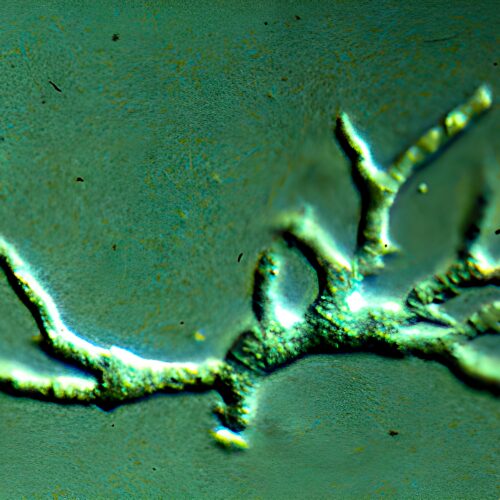
A healthy toddler in Washington state has tragically died from a rare brain-destroying amoeba, highlighting the challenges doctors face in diagnosing the ultra-rare infection. The toddler's illness began abruptly with vomiting, lethargy, and weakness on his right side, before progressing to a headache, fever, and trouble swallowing.
The boy's condition rapidly deteriorated, with episodes of unresponsiveness and stopped breathing, prompting doctors to admit him to the hospital. Despite medical intervention, the toddler's condition only worsened, ultimately leading to his death.
The amoeba responsible for the toddler's death is an opportunistic pathogen that was first identified in 1986 from the brain of a San Diego Zoo monkey. Since its discovery, only about 200 human cases have been recorded worldwide, with a staggering 90 percent of them being fatal.
The initial symptoms of the infection can be vague, making it notoriously difficult to diagnose. The rarity of the infection also contributes to its frequent misdiagnosis. However, the limited medical literature available does provide some telltale signs and clues about what the infection can look like on tests and scans.
In the case of the Washington state toddler, the infection presented differently, leading doctors down the wrong diagnostic path. This tragic case highlights the need for doctors to be aware of the rare infection and its potential presentations, in order to improve diagnosis and treatment outcomes.
The death of the toddler serves as a reminder of the importance of vigilance and awareness among medical professionals when dealing with rare and mysterious illnesses. By learning from this tragic case, doctors can gain valuable insights into the diagnosis and treatment of this ultra-rare amoeba, ultimately helping to save lives in the future.
<small>Source: Ars Technica — read the original story there.</small>