A study published this week in the Journal of the American Medical Association (JAMA) shows that the number of patents attached to small‑molecule drugs has more than tripled since 1990, a trend that is keeping prescription prices high for consumers.
Researchers found that in 1990 the average approved drug carried 2.1 patents, a figure that rose to 6.9 for drugs approved in 2019. The surge is largely driven by “non‑primary” patents, which do not cover the drug’s active ingredient but instead protect minor changes to non‑active ingredients, new ways of using the drug, or the design of delivery devices such as auto‑injectors.
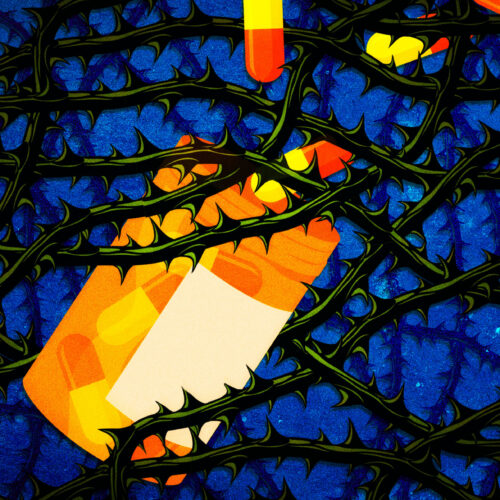
When a single drug is covered by a large number of such patents, it creates a “patent thicket.” The thicket can delay the entry of cheaper generic versions, keeping prices elevated for longer periods even when no clinical benefit has been added.
The study highlights how the U.S. patent system can be exploited to maintain high drug prices, a problem that has become a major pain point for Americans who often pay more for medicines than people in comparable countries.
While the research does not prescribe a specific solution, it underscores the need for policymakers to examine how patent law is applied to pharmaceuticals and its impact on drug affordability.
<small>Source: Ars Technica — read the original story there.</small>

