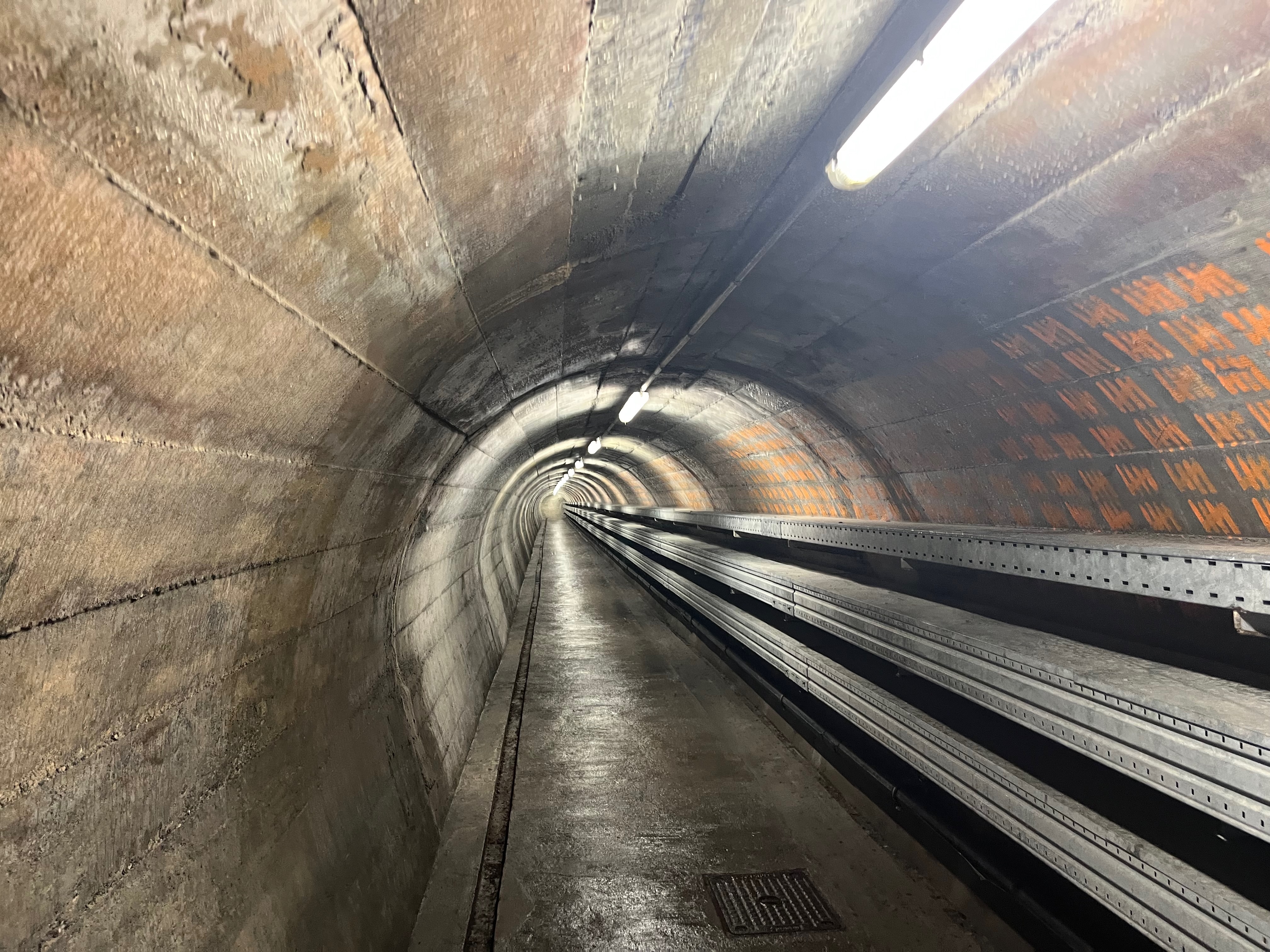
Switzerland, known for its neutral stance in global conflicts, has a unique characteristic that sets it apart from other nations: it has more nuclear bunkers than any country in the world. Despite the end of the Cold War, the Swiss government chose not to dismantle its network of bomb shelters, instead opting to continue building and maintaining them.
This decision has resulted in Switzerland having over 370,000 nuclear bomb shelters, a staggering number that reflects the country's commitment to protecting its citizens from potential threats. The existence of these shelters is a testament to the country's preparedness and proactive approach to national security.
Interestingly, some of these bomb shelters are now being repurposed to address more contemporary issues. With the ongoing migrant crisis affecting various parts of the world, Switzerland has found a new use for some of its nuclear bunkers: housing migrants. This creative solution highlights the versatility of these underground structures and the resourcefulness of the Swiss government in addressing social challenges.
The fact that Switzerland has chosen to maintain and expand its network of bomb shelters, even in the absence of an immediate threat, speaks to the country's enduring commitment to the safety and well-being of its citizens. As the world continues to evolve and new challenges emerge, Switzerland's extensive network of nuclear bunkers remains a unique aspect of its national identity.
For a country that has historically maintained its neutrality in international conflicts, Switzerland's emphasis on civil defense and preparedness is noteworthy. The presence of these bomb shelters serves as a reminder of the country's complex history and its efforts to balance its neutral stance with the need to protect its people from potential harm.
<small>Source: NPR — read the original story there.</small>
