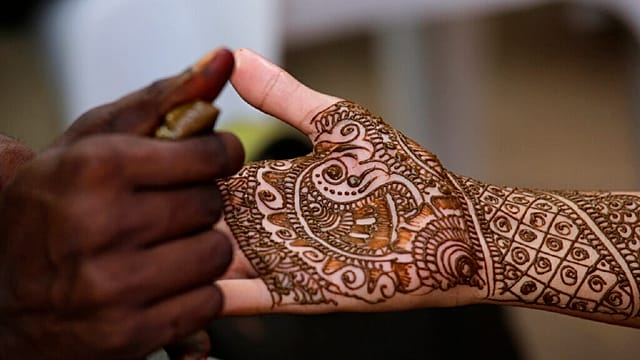
Sudanese women are keeping the bridal henna tradition alive as a way of preserving cultural identity amid war and a water crisis.
The practice of applying henna to a bride’s hands and feet before a wedding is a long‑standing custom in Sudan, symbolising beauty, luck and community. In recent years, the country has faced profound upheaval, with ongoing conflict and shortages of clean water making everyday life difficult for many families.
Despite these challenges, women continue to prepare and apply the natural dye, often sourcing the plant from home gardens or small local markets. The ritual provides a sense of normalcy and continuity, allowing families to celebrate marriage even when other aspects of life are disrupted.
For many, the act of painting henna is more than a decorative tradition; it is a tangible link to heritage and a quiet form of resistance against the erosion of cultural practices in times of crisis.
As Sudan navigates its way through conflict and resource scarcity, the enduring henna ritual stands as a testament to the resilience of its people and the importance of preserving identity through shared customs.
<small>Source: Africanews — read the original story there.</small>
