More than 100 farms have contributed data to help find a way to map out slugs
- Published
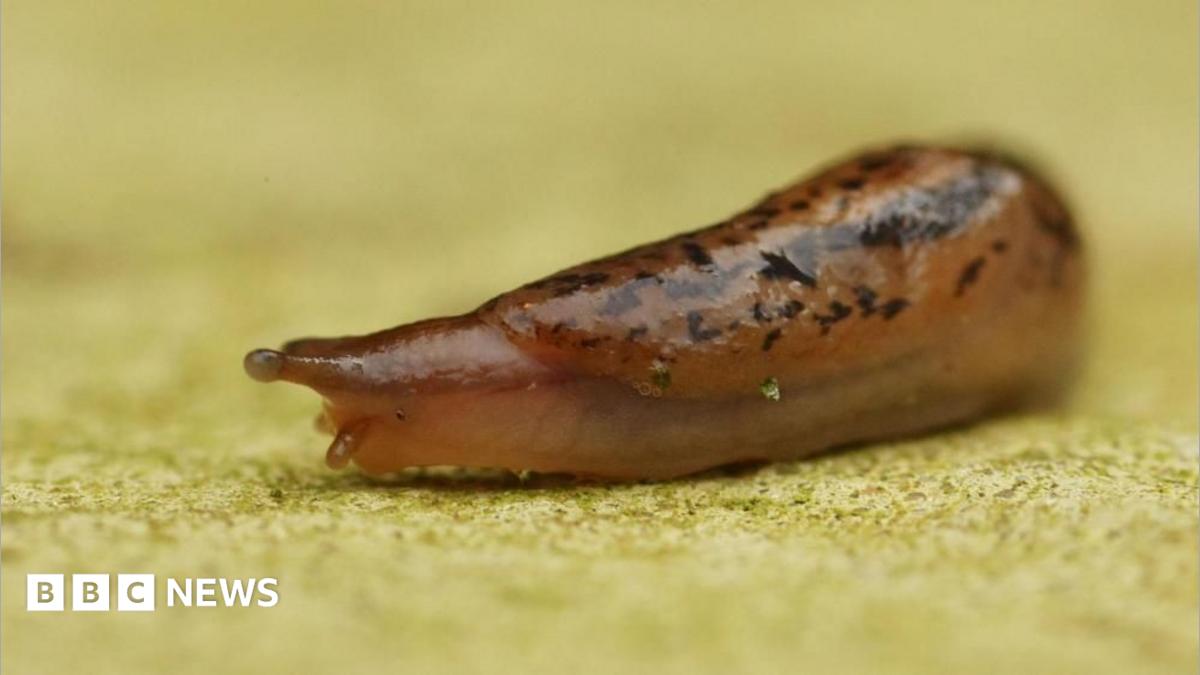
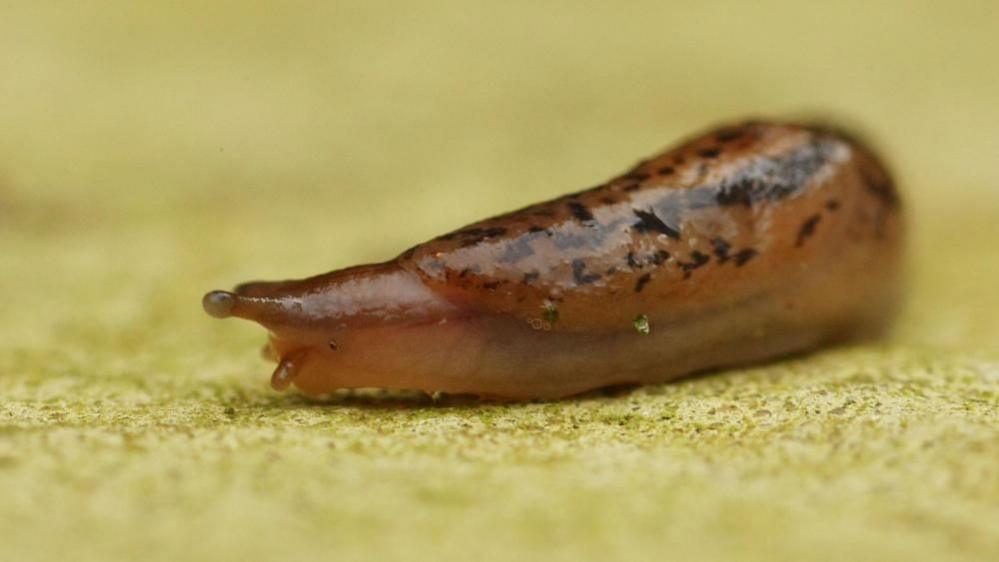
Arable farmers may soon be able to stop slugs eating their crops thanks to research by a Shropshire-based university and the work of "slug sleuth" farmers.
Data collected by 28 "slug sleuths" has helped researchers from Harper Adams University find environmentally friendly slug control methods in the form of "prediction maps".
It is part of a three-year, £2.6 million research programme that was funded by the Department for Environment, Food and Rural Affairs (Defra).
Researchers hope the maps could lead to "more precise control of slugs in arable fields" and reduce using pesticides.
The model is one of the many projects done by the "Strategies Leading to Improved Management and Enhanced Resilience to Slugs" (SLIMERS).
Professor Keith Walters from the university said the research suggested where slugs were more likely to show up, in particular how slug clusters re-established themselves after soil was waterlogged.
"We have now confirmed that patches reform temporarily in places we wouldn't expect in normal conditions and then quickly return to their predicted areas once more typical soil conditions return," Walters added.
"Despite low slug numbers over the testing period we have sufficient data to prove that the model works, and perhaps most importantly, that farmers are happy to use it and it fits in with modern commercial equipment."
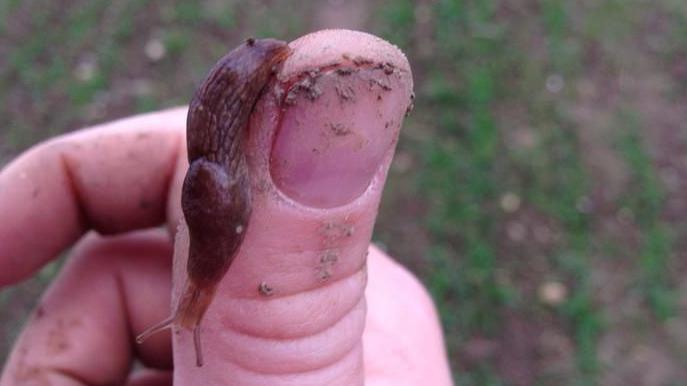
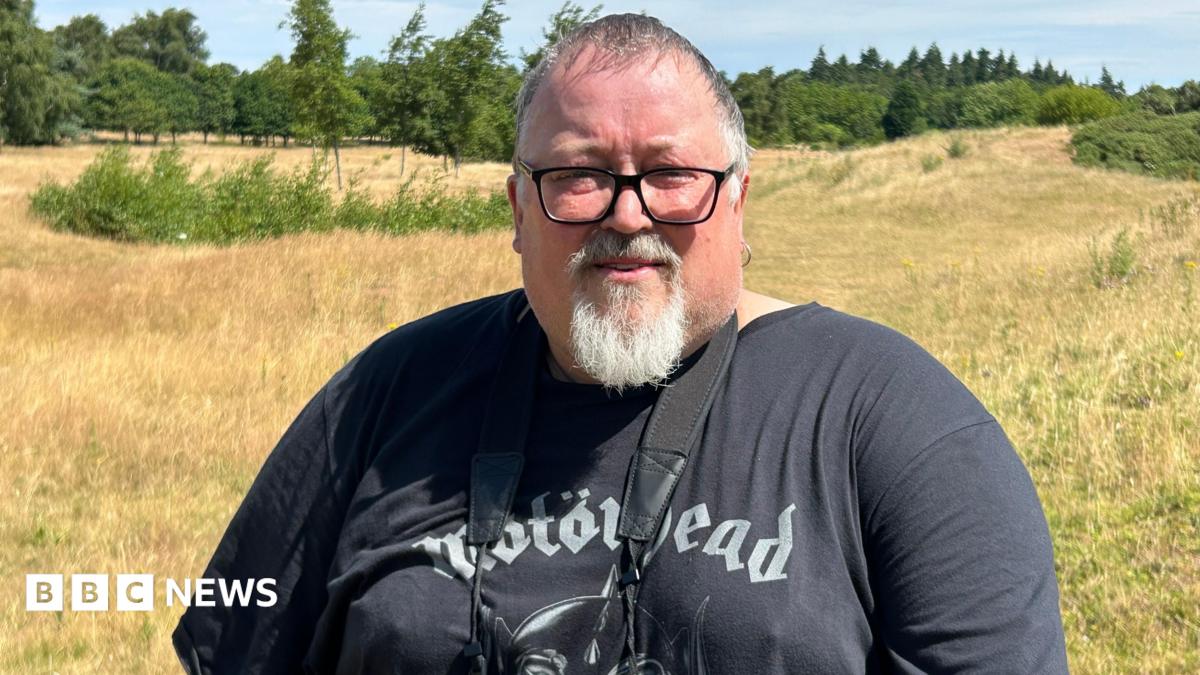
Data has been collected by 28 "slug sleuth" farmers
More than 100 farms have been involved in the scheme, including Bedfordshire-based wheat farmer Charles Paynter.
He said the work would help him better predict how slugs may strike.
"This means we will be able to use more targeted treatments which has the potential to be less damaging to biodiversity," Paynter added.
"My threshold for taking control measures is higher now because I have been able to prove to myself that I can evaluate the risks from slug activity with greater accuracy."
<small>Source: BBC Science</small>