Sentinel-6B Satellite Launched and Orbits Earth
The European Space Agency (ESA) and NASA have successfully launched the Sentinel-6B satellite, which is now in orbit around Earth, continuing the mission of monitoring sea level rise.
The Sentinel-6B satellite, a part of the Copernicus program, was launched from the Guiana Space Centre in French Guiana on October 27th. This marks the second launch of the Sentinel-6 mission, aimed at studying sea surface height and monitoring changes in global sea levels.
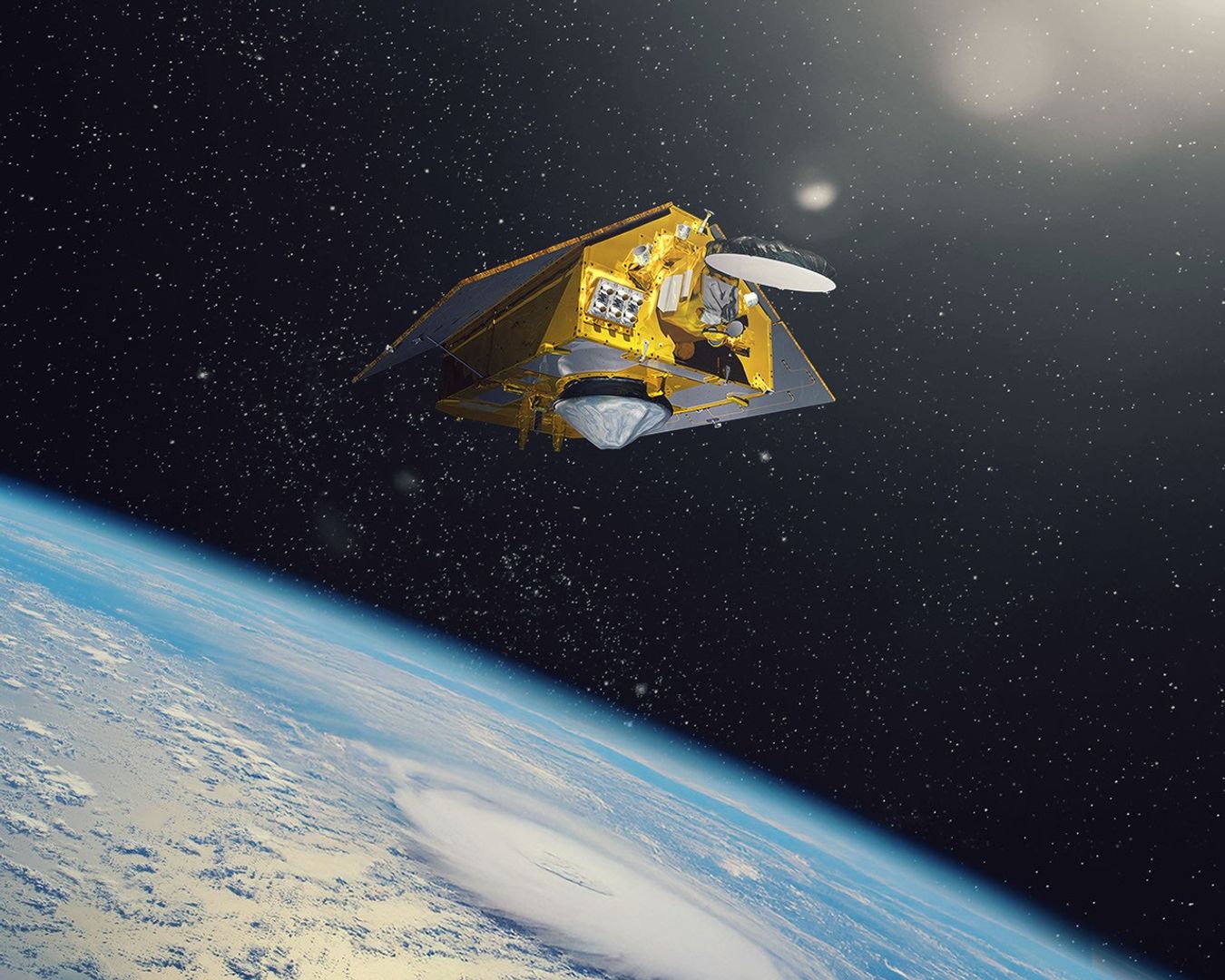
Artist's Concept of Sentinel-6B

The Importance of Sentinel-6B Mission
The Sentinel-6 mission is crucial for monitoring the Earth's oceans and studying changes in sea levels caused by climate change. By collecting data on ocean topography and wave heights, Sentinel-6B will aid in improving weather forecasting, ocean circulation studies, and coastal zone management.
NASA's Involvement in Sentinel-6 Mission
NASA is collaborating with the ESA in the Sentinel-6 mission, contributing its expertise in oceanography and data processing.
ESA's Role in Sentinel-6 Mission
The European Space Agency (ESA) is responsible for operating the satellite, ensuring it is collecting data for the Copernicus program, which provides valuable information for environmental monitoring, including climate change research.
Sentinel-6B's Mission Objectives
- Monitoring sea surface height
- Measuring ocean wave heights
- Improving weather forecasting
- Assisting in ocean circulation studies
- Assisting in coastal zone management
Sentinel-6B's Launch Details
The Sentinel-6B satellite was launched from the Guiana Space Centre in French Guiana on October 27th, 2021.
NASA and ESA Partnership
The Sentinel-6 mission is a joint project between NASA and the European Space Agency (ESA).
ESA's Operational Control of Sentinel-6B
The ESA is responsible for operating the Sentinel-6B satellite, ensuring it is collecting data for the Copernicus program.
Copernicus Program and its Importance
The Copernicus program is a key initiative providing valuable information for environmental monitoring and climate change research.
Sentinel-6B's Mission Objectives
- Monitoring sea surface height
- Measuring ocean wave heights
- Improving weather forecasting
- Assisting in ocean circulation studies
- Assisting in coastal zone management
Launch Date and Location
The Sentinel-6B satellite was launched from the Guiana Space Centre in French Guiana on October 27th, 2021.
NASA and ESA Partnership
NASA and the European Space Agency (ESA) are working together on the Sentinel-6 mission.
ESA's Role in Sentinel-6B Mission
The ESA is responsible for operating the Sentinel-6B satellite, ensuring it is collecting data for the Copernicus program.
Copernicus Program and its Importance
The Copernicus program plays a crucial role in providing valuable information for environmental monitoring and climate change research.
Sentinel-6B's Mission Objectives
- Monitoring sea surface height
- Measuring ocean wave heights
- Improving weather forecasting
- Assisting in ocean circulation
<small>Source: NASA — read the original story there.</small>