Campaigners said the Herefordshire farm must be protected
- Published
A unique and historical piece of farmland has been withdrawn from sale after a campaign by local people.
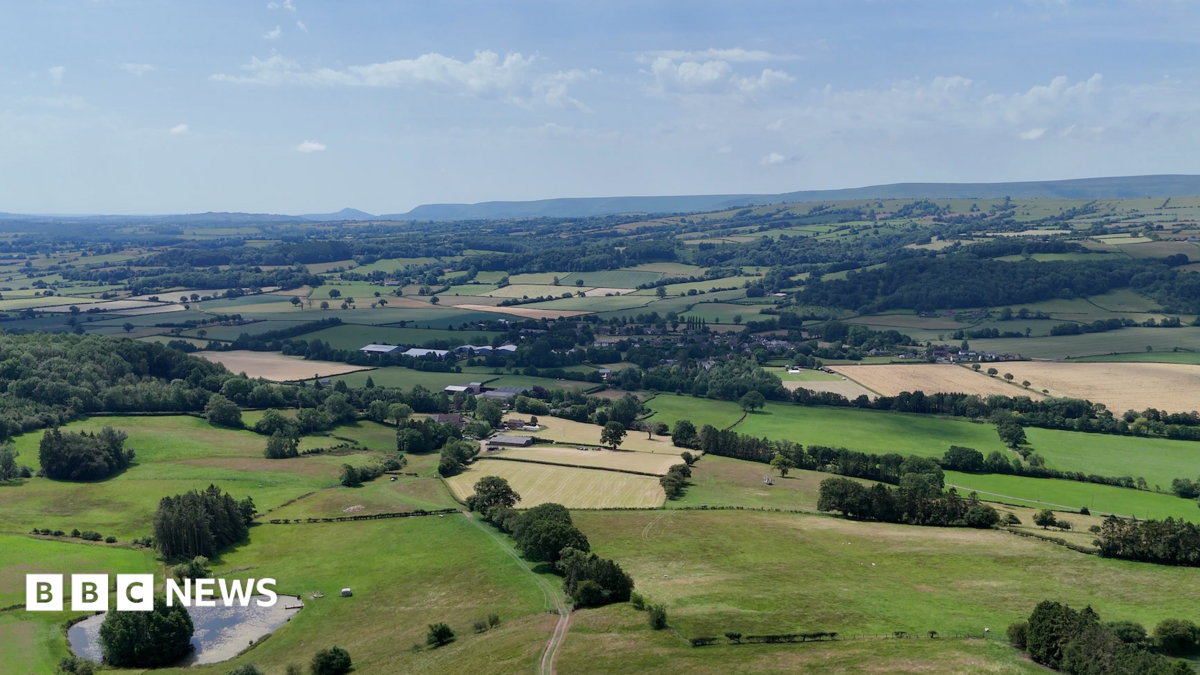
The 400-year-old water meadows at Turnastone Court in Herefordshire are believed to be the oldest such pastureland in England.
The landscape inspired the author C. S. Lewis to create his fictional land Narnia, the setting for his chronicles including, most famously, The Lion, The Witch, and The Wardrobe.
Campaigners are now calling for more protection for the land, to ensure it is not under threat in the future.
The charity Countryside Regeneration Trust bought Turnastone Court in 2003 to save what it described as one of the most historically important farms in the UK.
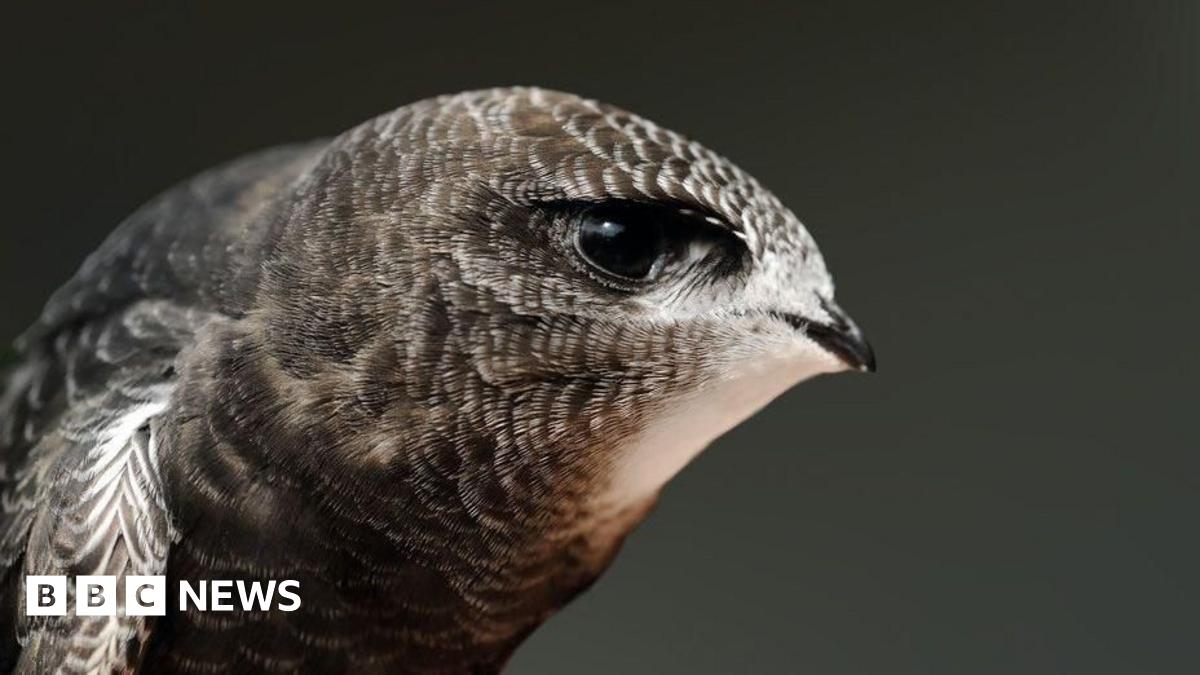
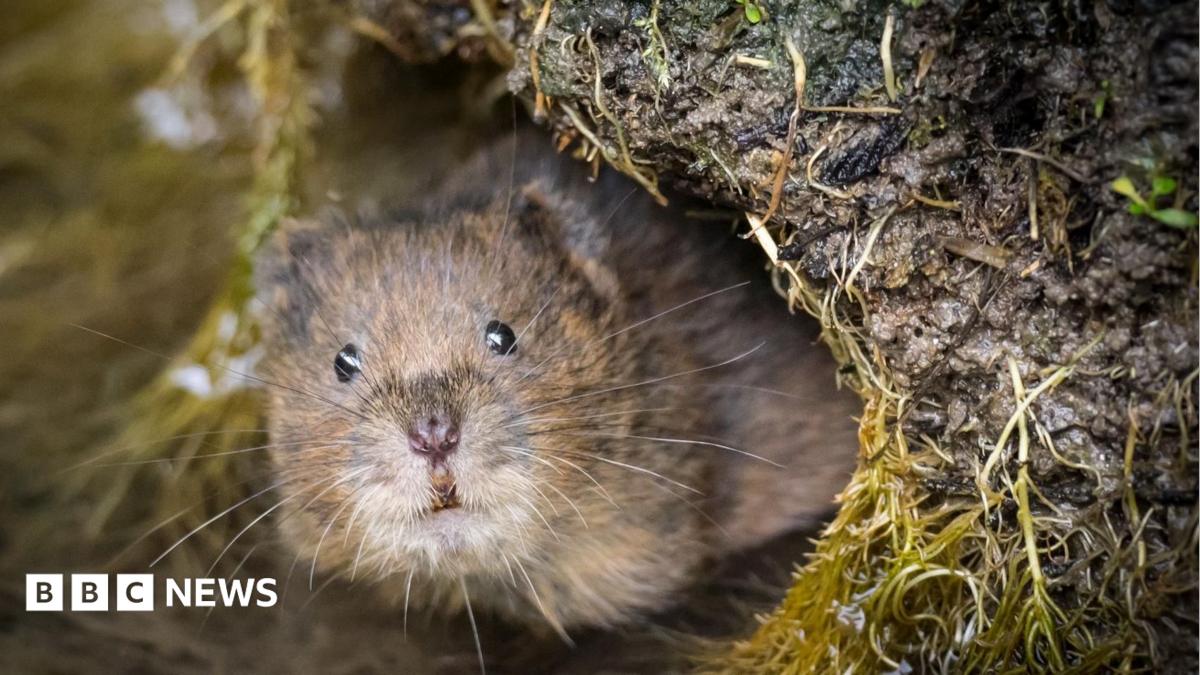
The land has been farmed since 1130 and is home to many declining species such as skylark, yellowhammer, spotted flycatcher and water voles.
The farm includes a series of 16th Century stone sluice gates, one of the earliest water management systems ever recorded in England.
It sits in the Golden Valley in Herefordshire, between Hereford and the Welsh border and an area said to have inspired Lewis in coming up with the fictional Narnia.
The author said the landscape was what he imagined heaven would look like.
The
Neolithic burial mound Arthur's Stone is on the hill above the village.
Lewis was believed to have used it as a reference for the stone table, on which Aslan is sacrificed.
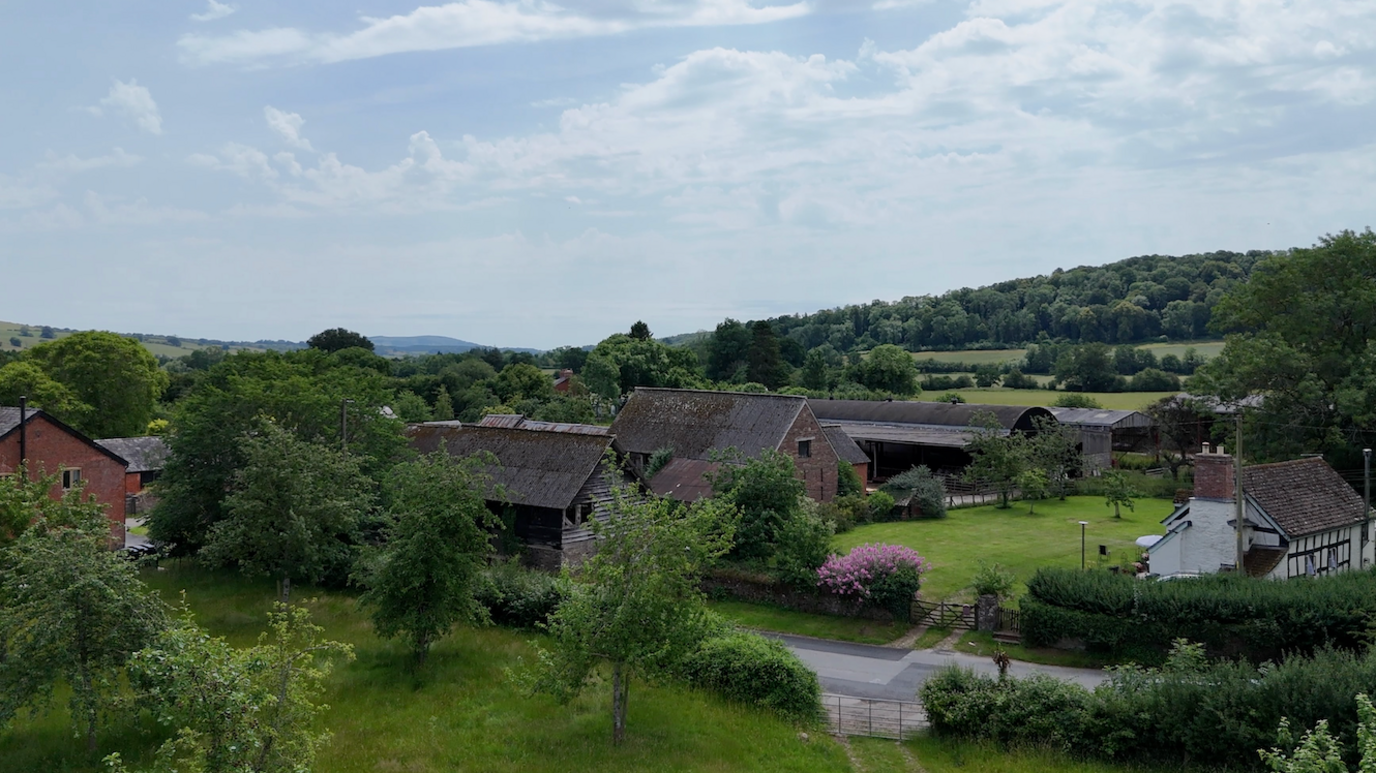
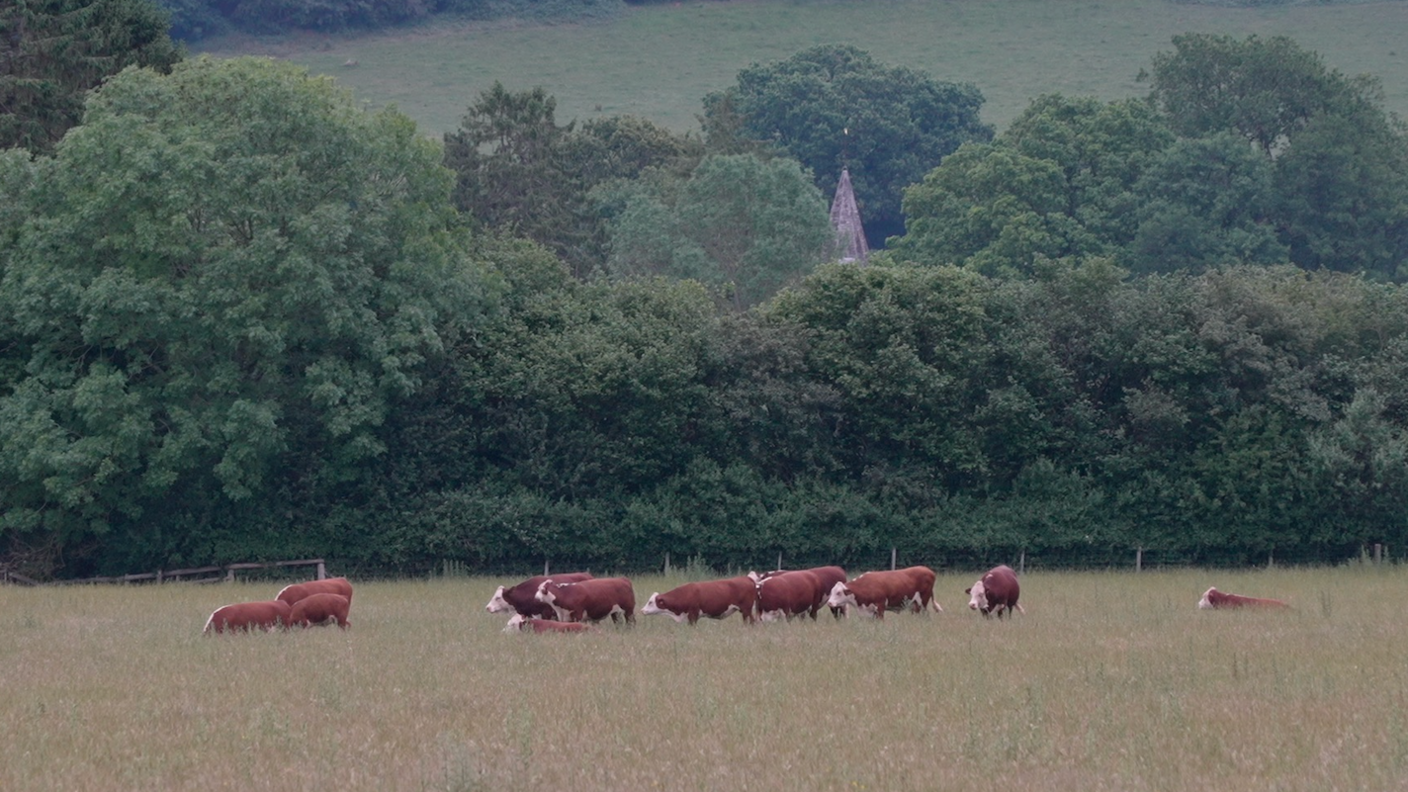
The buildings at Turnastone Court Farm are expected to be sold with discussions ongoing, the trust said
In May, 247 acres (100 hectares) of land and farm buildings were put up for sale without any protection or restrictions.
The potential new owners would have been able to use them as they wished.
At that time, the charity said the sale was part of an ongoing consolidation intended to "reduce operational costs and reinvest in its core nature friendly farms".
After being contacted by campaigners and the BBC, the charity's trustees reversed their decision and withdrew the farm from sale.
The trust says it is still in discussions about selling the farm buildings, lodge and cottage, but it will retain the land.
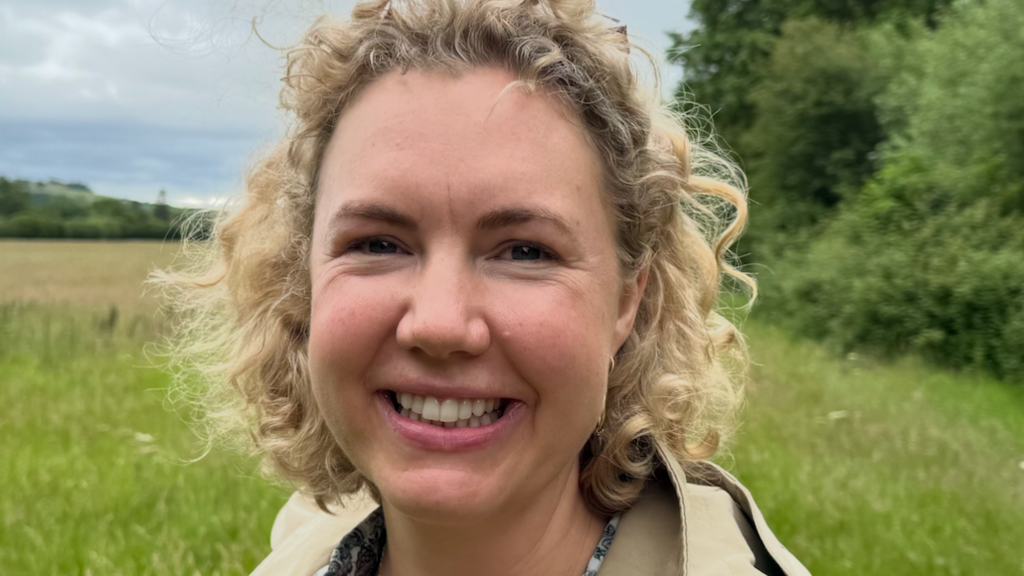
Rosie Hicks, the vice chair of the charity's board of trustees, said they faced challenging times
Rosie Hicks, vice chair of the charity's board of trustees, said it was a challenging time for all charities and the trust was receiving fewer donations and legacies.
"We had to make some difficult decisions, and we thought that selling Turnastone might be an opportunity to release some capital which we could then invest in our other farms," she added.
The trust said it had taken the farm off the market after listening to the Herefordshire community and friends of the charity.
The trustees said they "did not shy away from that conclusion, however uncomfortable it was to reach".
"We didn't realise how wide the interest is; it's heartening to see that a lot of people care about this farm," said Hicks.
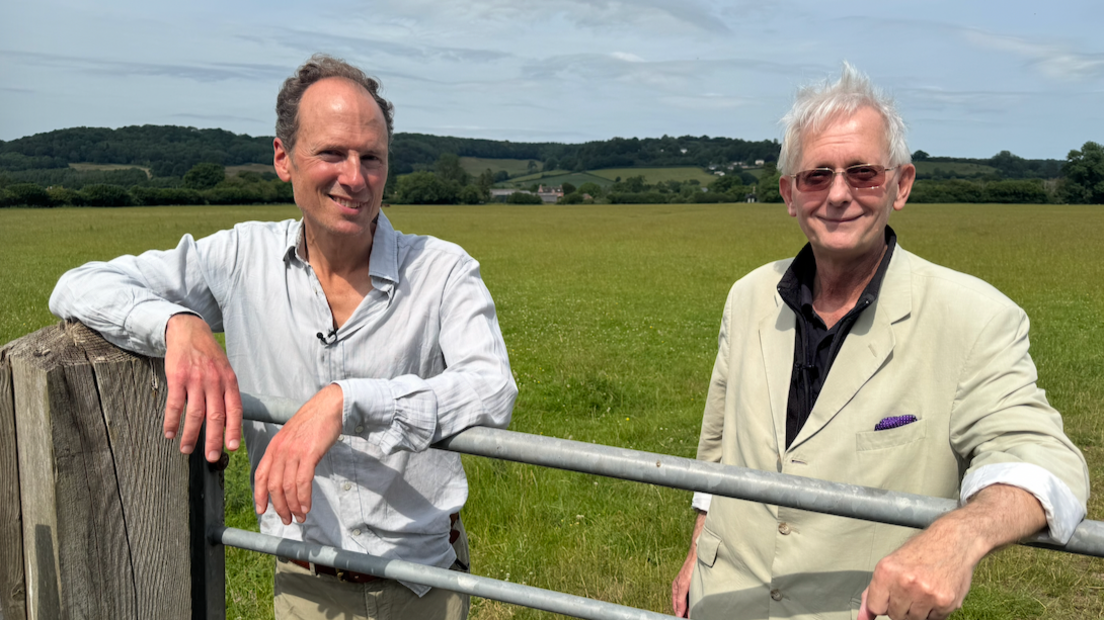
Tim Heffer and Tom Oliver are campaigning to protect the farm
Local people say it is vital that the land and buildings are kept together to make the farm viable and they are still concerned about the farm's future.
Some are asking the charity to put protections in place to preserve the land in times to come, even if it is sold.
The trust said: "Any additional restrictions could have an impact on the value achievable, so this would need to be considered very carefully alongside our legal and charitable responsibilities."
Tom Oliver is a farmer as well as a landscape and environmental policy consultant
"We don't want this to become a museum, it has to be a working farm," he said.
"Farmers need a farmyard and storage space, and it's crucial that the farm includes those facilities."
Tim Heffer, a farmer and conservationist, added: "We're still concerned that the farm needs to be kept together as a sustainable farm business, so it's got to be the land and useable buildings."
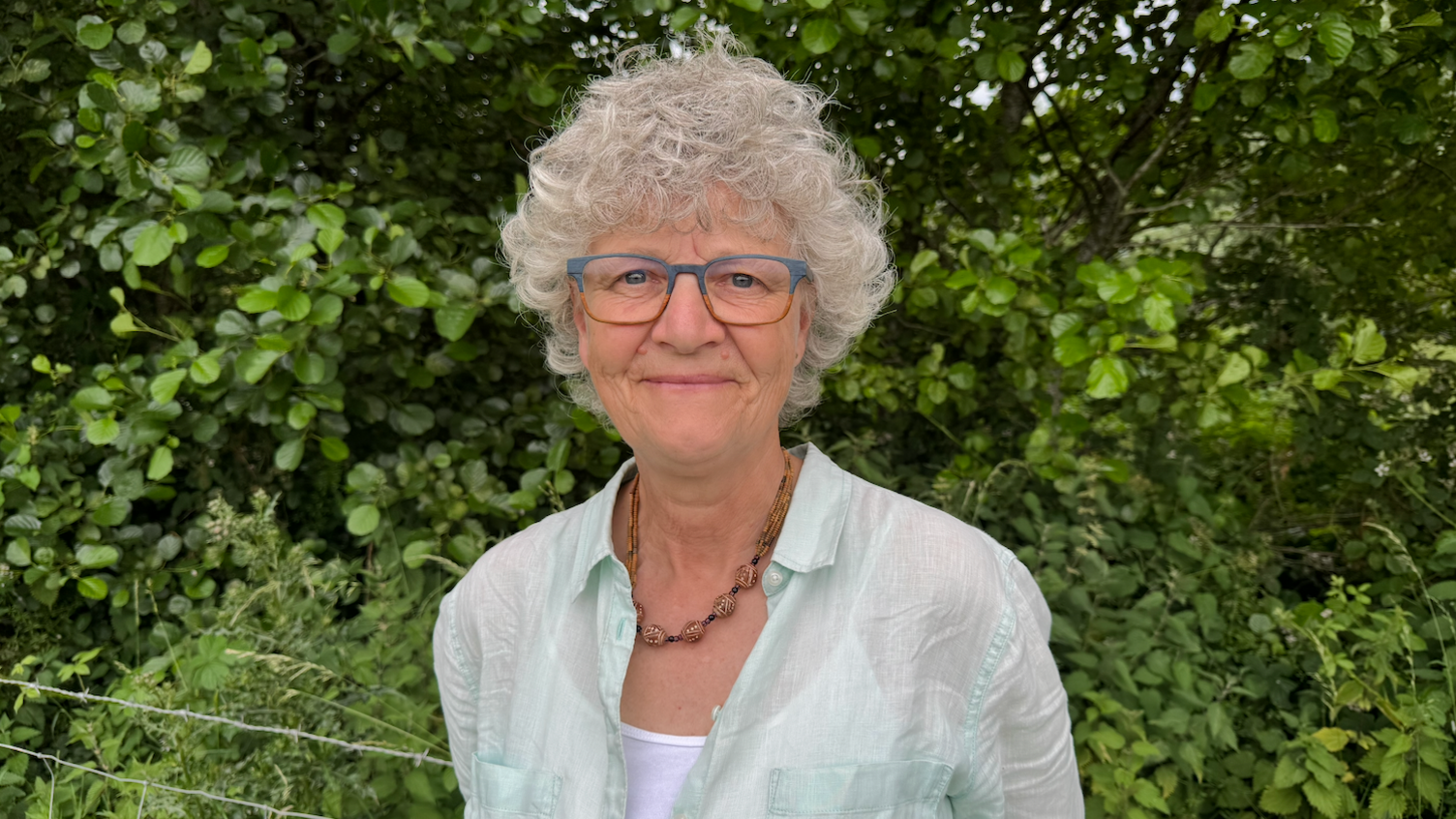
Caroline Hanks said the farm was really special in terms of the number of habitats it was home to
Caroline Hanks, a farm conservation advisor, said: "This farm is really special because it includes many different habitats; meadows, orchards, pasture, and woodland; there are so many different places for wildlife to thrive.
"There are fantastic flowering plants, and birds such as yellow hammers, skylarks, lapwing and curlew.
"You can see dragonflies, damselflies, and a range of wonderful butterflies in the grass."
"The soil here is so full of natural nutrients, it's a fantastic opportunity to demonstrate how farming and nature go hand in hand."
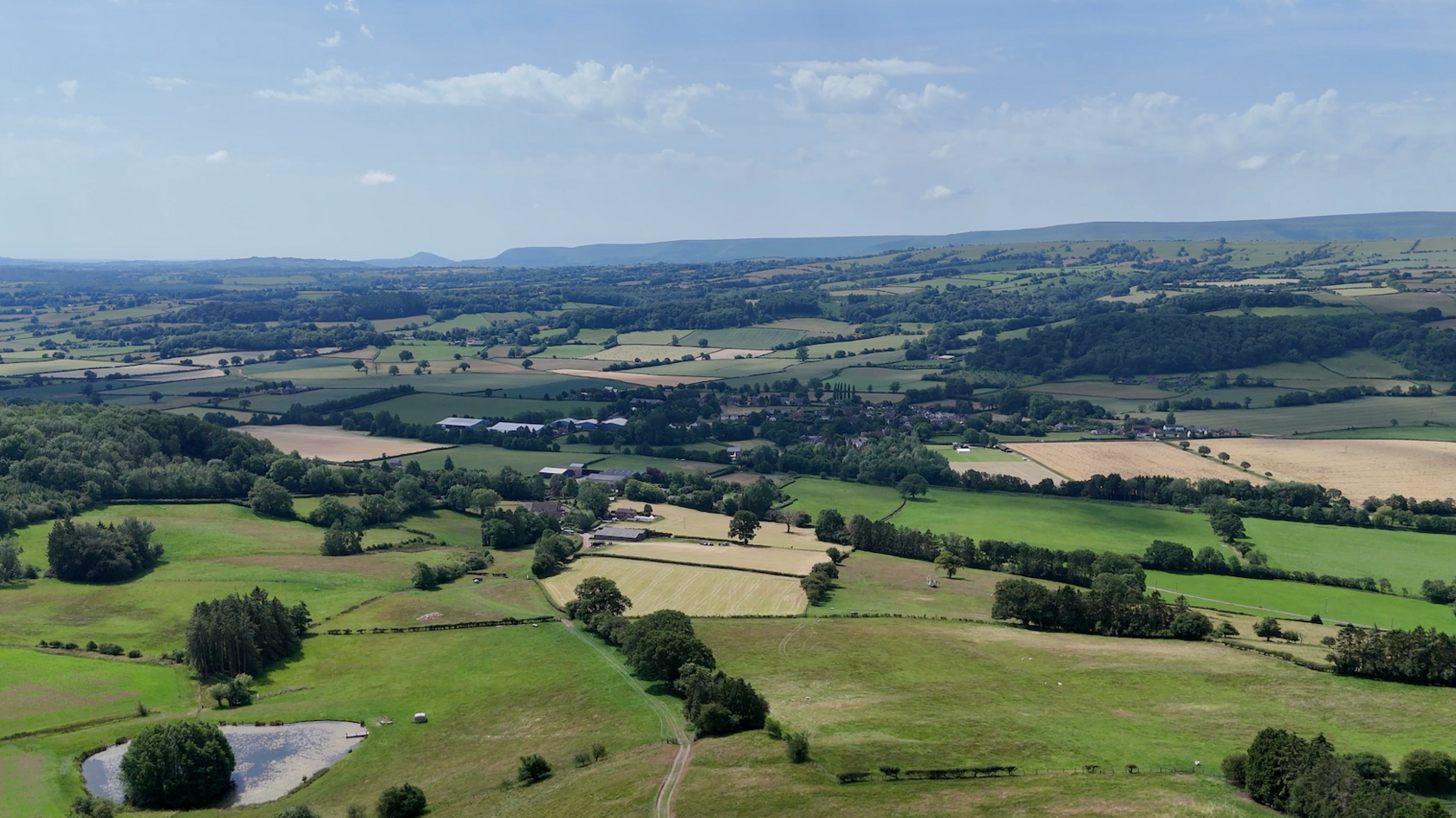
The farm sits in the Golden Valley in Herefordshire
During the reign of Elizabeth I, Rowland Vaughan invented a system of ditches and stone sluice gates to divert water on to the land at the farm which helped the grass to grow and boosted the farm's productivity.
Vaughan called the system The Drownings, and his methods have been generally said by historians to have inspired the irrigation systems which increased crop yields during the
agricultural revolution from the 16th Century onwards.
In 2015, the Countryside Regeneration Trust raised money to restore the sluice gates.
During the world wars, when farmers were directed to grow more food, the community stopped this pastureland from being ploughed, preserving the heritage and wildlife.
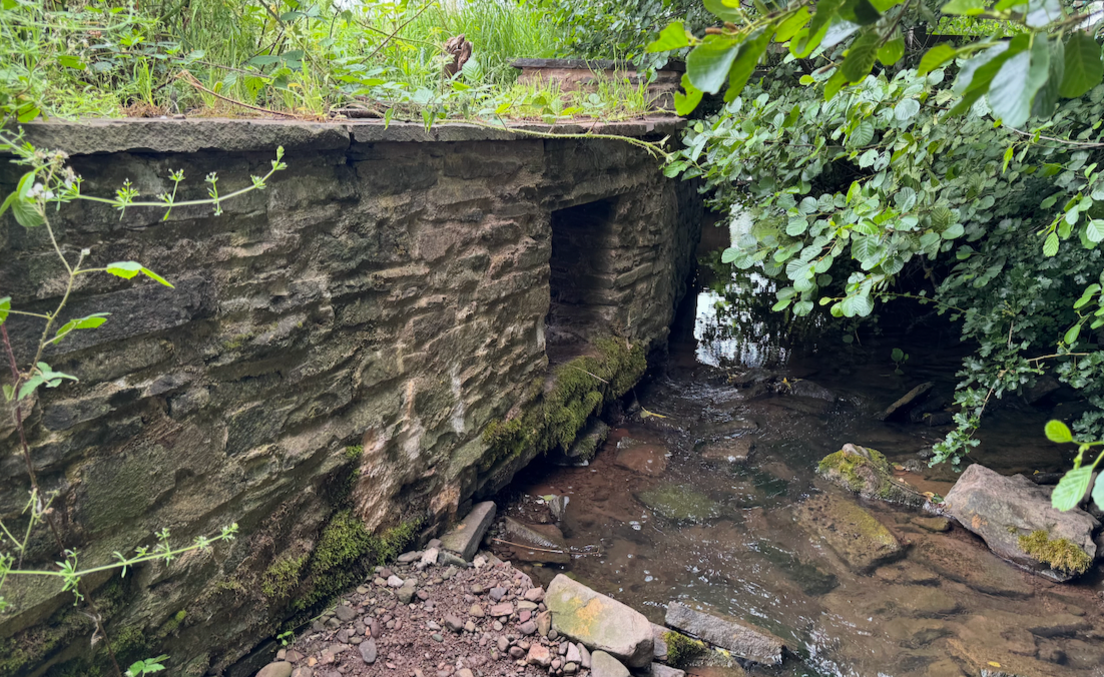
The system of water gates were first built in the reign of Elizabeth I
Today's campaigners are hoping to do the same.
"It's crucial that when people raise money to do good things, they have confidence that that is what will happen," said Oliver.
"Whether you're crowdfunding something or joining together as a community, this farm and its' management in the future could set a shining example of how to do that."
The trust said it faced challenges but looked forward to working with those who share a vision for the farm's future.
"The willingness to listen, and to act on what you hear, is what good governance looks like," a spokesperson said.
<small>Source: BBC Science</small>