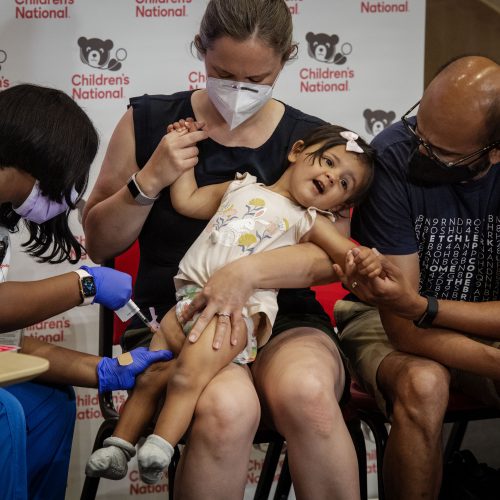
As the respiratory‑virus season approaches, more than half of children in the United States face uncertainty over whether they can receive this year’s COVID‑19 vaccine. The Centers for Disease Control and Prevention (CDC) has unexpectedly delayed the distribution of the seasonal shots to the federal Vaccine for Children (VFC) program and to several states.
Under normal circumstances, the CDC permits states to order the new COVID‑19 vaccines through the VFC, a program that supplies free shots to children who are uninsured, underinsured, Medicaid‑eligible or Indigenous. Roughly 52 percent of all U.S. children qualify for the VFC.
In addition to the VFC, at least 11 states and one U.S. territory participate in a universal vaccine purchase program. These jurisdictions buy all vaccines for children—regardless of their ability to pay or insurance status—through contracts that otherwise support the VFC. The program currently includes:
- Alaska
- Connecticut
- Hawaii
- Maine
- Massachusetts
- New Hampshire
- New Mexico
- Rhode Island
- Vermont
- Washington
- Wyoming
- American Samoa
The delay means that many families who rely on the VFC or universal purchase agreements may not be able to secure a vaccine for their children until the distribution issue is resolved. The situation highlights the ongoing challenges of ensuring equitable access to COVID‑19 protection for young Americans.
<small>Source: Ars Technica — read the original story there.</small>

