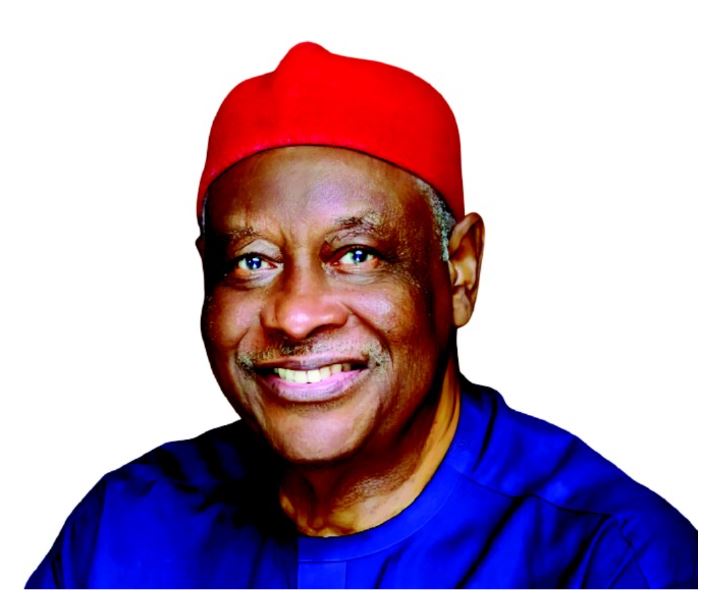
Chief Ralph Obioha died on 3 October 2026 at the age of 80. His family announced his death three days later, describing him as a beloved husband, father, grandfather, brother and friend, as well as a patriot, elder statesman, political leader and businessman committed to Nigeria’s progress. Obioha’s life spanned entrepreneurship, public service and a pro‑democracy struggle that saw him lose most of his business empire while campaigning against military rule.
Born into the influential Obioha family of Arondizuogu in present‑day Imo State, he was the son of Chief Louis Nwakire Obioha, a prominent businessman who founded NIPROC, a large‑scale palm‑kernel processing enterprise that became a cornerstone of the local economy. The family’s emphasis on enterprise as a vehicle for employment and community development shaped Ralph’s early ambitions.
Before entering the national political arena, Obioha built a diversified business empire that included First African Trust Bank, Safari Brewery, Castle Cement’s cement‑bagging operation in Port Harcourt and a vegetable‑oil company. In a 2018 interview he said those enterprises employed about 2,700 Nigerians and 17 expatriates, illustrating the scale of his commercial impact before his political activism redirected his focus.
Obioha’s political career began during Nigeria’s Second Republic, when he served as a member of the House of Representatives and chaired the House Committee on Finance. The annulment of the June 12, 1993 presidential election—widely regarded as Moshood Abiola’s legitimate mandate—prompted him to view the event as an assault on democracy, steering him toward more confrontational politics.
He became a leading figure in the National Democratic Coalition (NADECO), which demanded the restoration of the June 12 mandate and opposed General Sani Abacha’s military regime. Facing intensified crackdowns, Obioha went into exile, operating from Canada and the United States to keep international attention on Nigeria’s crisis. The exile, which lasted from the mid‑1990s until his return in 1998, cost him his bank, brewery, cement operation and vegetable‑oil company.
I will never regret being part of the struggle.
After Nigeria’s return to democratic rule in 1999, Obioha remained active in politics, serving as national chairman of the Justice Party, which fielded Rev. Chris Okotie as its presidential candidate in the 2003 election. He also chaired the caretaker committee of Ohanaeze Ndigbo at one point, though his tenure was marked by internal disputes. Obioha’s legacy is remembered as a blend of entrepreneurial success, legislative service and personal sacrifice for the country’s democratic aspirations.
<small>Source: Vanguard News — read the original story there.</small>
