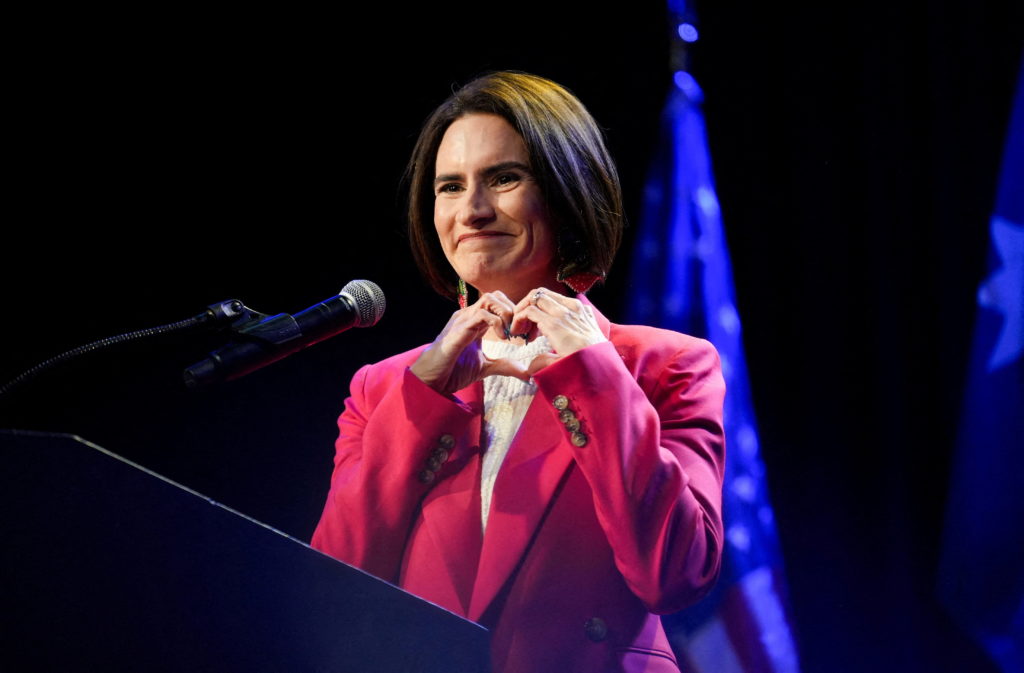
Native American Women Make History in Tribal, State and Federal Elections
Three Native American women have made history in recent elections, marking significant milestones for their respective communities and the United States as a whole.
Peggy Flanagan: First Native American Woman in the Senate
- Minnesota-based Peggy Flanagan became the first Native American woman to be elected to the US Senate, securing her seat on November 3rd.
- Flanagan, a member of the Dakota Nation, has been a vocal advocate for Indigenous rights and education.
Deb Haaland: First Native American Woman to Win a State Governorship
- In New Mexico, Deb Haaland secured her victory as the state's first Native American woman to win a state governorship on November 3rd.
- Haaland, a member of the Pueblo of Laguna, will serve as the 35th Governor of New Mexico.
Crystalyne Curley: First Native American Woman to Lead the Navajo Nation
- Navajo Nation residents elected Crystalyne Curley as the first Native American woman to lead the Navajo Nation on November 3rd.
- Curley, a member of the Navajo Nation, will serve as the 21st President of the Navajo Nation.
These historic elections signify a significant milestone for Native American women in the United States, as they continue to advocate for their communities and push for greater representation and recognition.
Flanagan, Haaland, and Curley bring a new voice to the political landscape, highlighting the importance of diversity and inclusion in decision-making processes.
Their victories demonstrate the resilience and determination of Native American women, who have long fought for their rights and the rights of their tribes.
By breaking barriers in state and federal politics, these trailblazers pave the way for future generations of Native American women to pursue public service and shape policies that impact their communities.
The election of Peggy Flanagan, Deb Haaland, and Crystalyne Curley highlights the importance of representation for marginalized groups in politics, as they work to address the unique challenges faced by their respective tribes.
As they embark on their new roles, these women will play a crucial part in representing the interests of their communities, pushing for better education, healthcare, and economic opportunities for Native Americans.
Their success is a testament to the strength and resilience of Native American women, who have long fought for their rights and those of their tribes. These trailblazers will now work to address the unique challenges faced by their respective tribes, striving for improved policies in areas such as education, healthcare, and economic development.
The election of Peggy Flanagan, Deb Haaland, and Crystalyne Curley highlights the significance of representation for underrepresented groups in politics. As they assume their new roles, these women will play a vital part in representing the interests of their communities, advocating for better opportunities in education, healthcare, and economic development for Native Americans.
The victories of Flanagan, Haaland, and Curley showcase the tenacity and fortitude of Native American women, who have long fought for their rights and those of their tribes. These trailblazers will now work to tackle the distinctive challenges faced by their respective tribes, striving for improved policies in areas such as education, healthcare, and economic growth.
<small>Source: PBS NewsHour — read the original story there.</small>