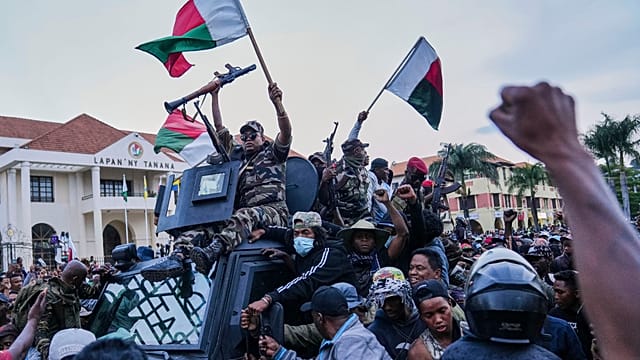
One year after Madagascar’s Generation Z-led protests successfully forced President Andry Rajoelina from power, activists report feeling betrayed by the country’s current military-backed government.
The anniversary of the political upheaval has highlighted a growing disconnect between the youth movement that sparked the change and the authorities now in charge. While the initial uprising was driven by demands for democratic reform and accountability, proponents of the original protests argue that the new administration has failed to deliver on the promises of transparency and civilian oversight.
The protests, which were characterized by their organization among younger demographics, marked a significant shift in Malagasy political dynamics. The removal of Rajoelina was a pivotal moment that reshaped the nation's leadership structure, leading to the installation of a government with strong military ties.
Despite the success of the initial mobilization, current sentiment among key figures in the movement suggests that the transition has not met expectations. Activists contend that the military-backed regime has not sufficiently addressed the core grievances that fueled the year-old demonstrations, leading to a sense of disillusionment within the community that drove the change.
This development underscores the ongoing challenges Madagascar faces in consolidating democratic gains following a period of intense civic engagement. The tension between the protest movement and the incumbent power structure remains a central issue in the nation's political landscape as it marks the first anniversary of the president's departure.
<small>Source: Africanews — read the original story there.</small>


![Blessing CEO confirms son’s death [VIDEO]](https://dailypost.ng/wp-content/uploads/2026/09/Blessing-CEO-loses-son.jpg)