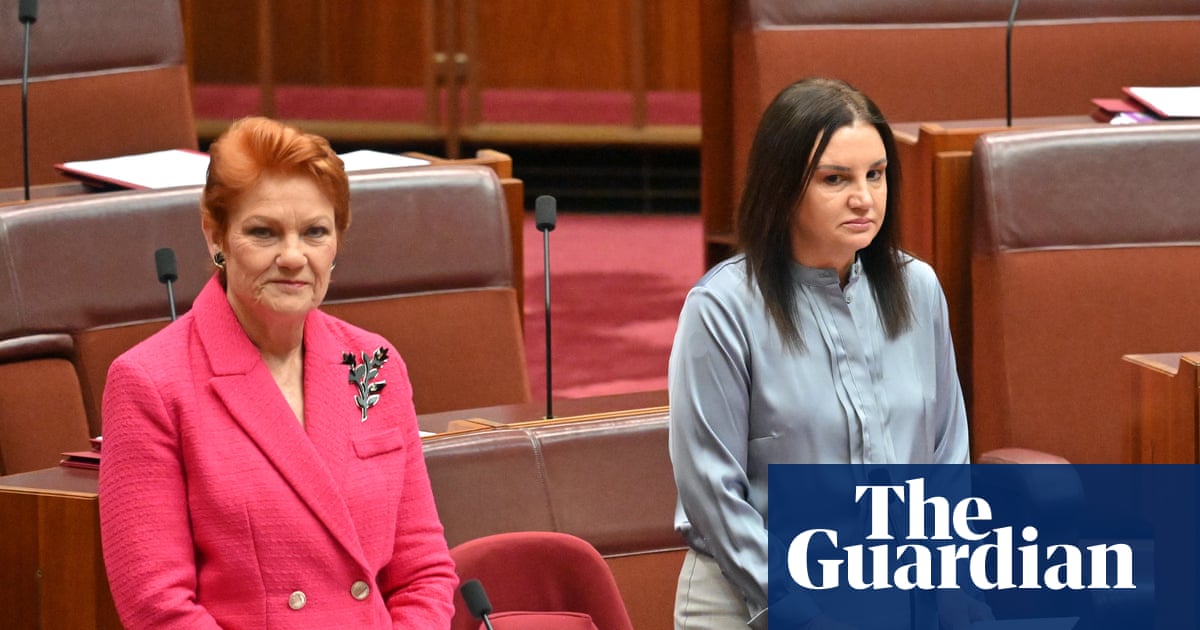
Jacqui Lambie,
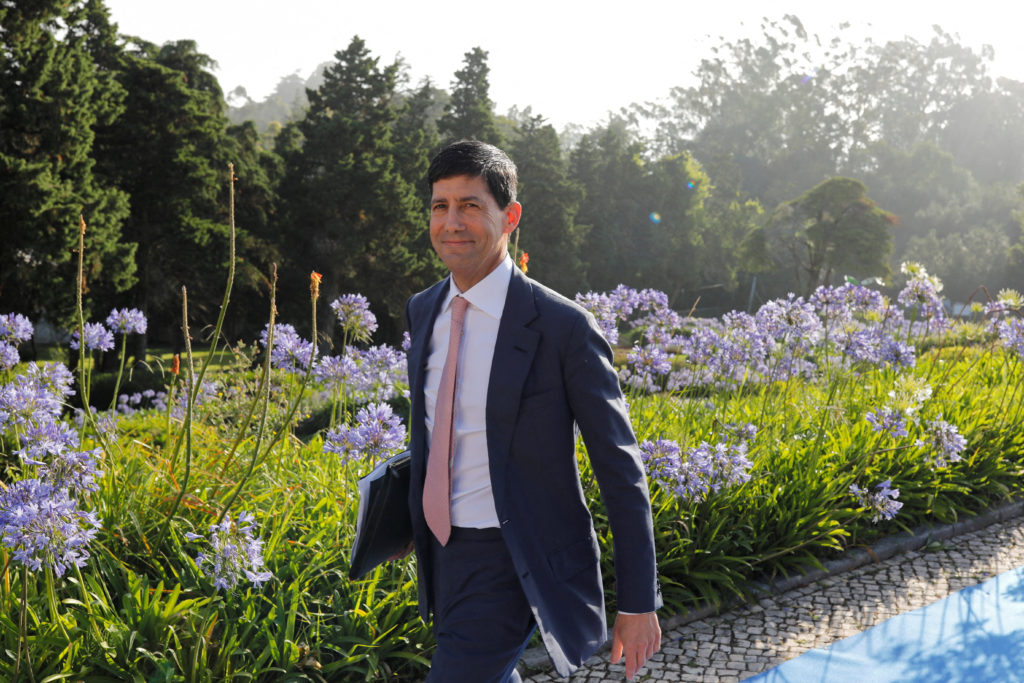
Pauline Hanson and David Pocock have joined a push for the government to stop a legal threat against Rex Patrick, after bureaucrats unexpectedly escalated a transparency case to the federal court.
Patrick, a
transparency campaigner and former senator, is seeking documents detailing where nuclear waste from the Aukus submarine fleet will be kept within Australia, and won an administrative appeal under freedom of information rules in May.
But the acting secretary of the Department of Industry, Science and Resources, Julia Pickworth, has appealed to the federal court, seeking the decision to be overturned and an order for Patrick to pay the federal government’s legal costs in the case if he is unsuccessful.
That bill could run to $150,000 or more, which Patrick says represents an attack on the public interest.
Patrick wrote to the attorney general, Michelle Rowland, to warn that the department’s approach was a breach of the government’s rules on acting as a model litigant, which require officials to act fairly in legal cases, including in relation to costs.
The case has sparked an unlikely alliance across federal parliament, with 18 independent and minor party members signing a letter urging Rowland to intervene in the public interest.
Sign up for the Breaking News Australia email
Signatories to the parliamentary letter include the teal MPs Allegra Spender and Monique Ryan, the independents Ralph Babet and Lidia Thorpe, and the Greens senator David Shoebridge.
“It is clear to us that this is an attack on our freedom of information regime, with the intent of deterring Australians from pursuing access to information,” they said.
“Dragging an ordinary citizen, self-represented and under threat of costs, to argue questions of law raised by the government is most unfair.”
A group of civil society organisations has also sought Rowland’s intervention in the case, warning the risk of the government appealing information commissioner or Administrative Review Tribunal decisions will stop ordinary citizens from seeking information.
“The chilling effect is direct and foreseeable,” warned the group of organisations, including the Human Rights Law Centre, Transparency International Australia and the Media, Entertainment and Arts Alliance.
skip past newsletter promotion
“It does not require a legislative change or a policy announcement. It operates silently – a cost exposure at the Federal Court level that deters a challenge at precisely the moment when it matters most – when an agency decision has already been found wanting.”
A spokesperson for Rowland declined to comment on the case on Wednesday.
Patrick said the case was Labor’s latest attack on Australia’s FOI regime. In March, the government dumped controversial proposed changes that would have imposed new fees and further reduced transparency, after admitting it had
no viable pathway through parliament.
“This latest threat is nothing more than a backdoor way to undermine Australia’s already broken FOI system and ensure the government can continue to choose secrecy over accountability,” Patrick told Guardian Australia.
“Anthony Albanese was elected under the promise of a new era of transparency. As opposition leader, Albanese said the ‘delays, obstacles, costs and exemptions’ in our FOI system made it easier to hide information from the public.
“I hope the attorney general intervenes. It’s in the public interest for her to do so.”
<small>Source: The Guardian</small>