- The Indian government has taken several measures to attract foreign investment in government securities and equity.
- Foreign investors and the Bank for International Settlements have been exempted from capital gains tax on interest and the sale of government securities.
- India's central bank has also raised limits for investment in stocks without SEBI registration for non-resident Indians and those holding overseas citizenship of India.
- Foreign investors have sold Indian equities worth $27.6 billion since January, compared with a total of $18.9 billion in 2025, as per data from NSDL.
India is doubling down on measures aimed at attracting foreign portfolio investments, as capital outflows
hit a record high.
The government on Friday announced that it has
exempted foreign investors and the Bank for International Settlements — a global financial institution owned by central banks— from income tax on any interest or capital gains.
The exemption will take effect from April 1, 2026, as per the government's release.
Foreign investors face
12.5% long-term capital gains tax on listed shares and bonds held for more than 12 months, and a 20% withholding tax on interest earned from government bonds.
In its monetary policy Friday, the Reserve Bank of India also announced that it was
expanding the bouquet of government securities for non-resident investors to park funds while also removing limits on "short-term investment, concentration, and individual securities" for foreign portfolio investors.
All these measures, along with numerous trade deals India has entered into, will allow for a
"much better BOP (balance of payment) this year," than what would have been otherwise, RBI Governor Sanjay Malhotra said in a press conference on Friday.
The central bank also said that the limits for investment in stocks, without registration with India's capital market regulator, are being increased for non-resident Indians and those holding overseas citizenship of India.
Since the start of the year, the sell-off by foreign investors in Indian securities has intensified, particularly in stocks. Foreign investors have sold Indian equities
worth $27.6 billion since January, compared with a total of $18.9 billion in 2025, per data from the Indian depository NSDL.
These sell-offs, coupled with the rising import bill due to the surge in global oil prices, have weighed on the Indian rupee, putting it among the worst-performing currencies in Asia.
The moves easing capital inflows will help the rupee, which has been mostly falling due to the strong currency outflows, Krishna Bhimavarapu, APAC economist at State Street Global Advisors, told CNBC.
He added that this is a "step in the right direction," and the announcement has come at a "very good time." On a year-to-date basis, the rupee has fallen by more than 6%, LSEG data shows.<small>Source: CNBC</small>
Business
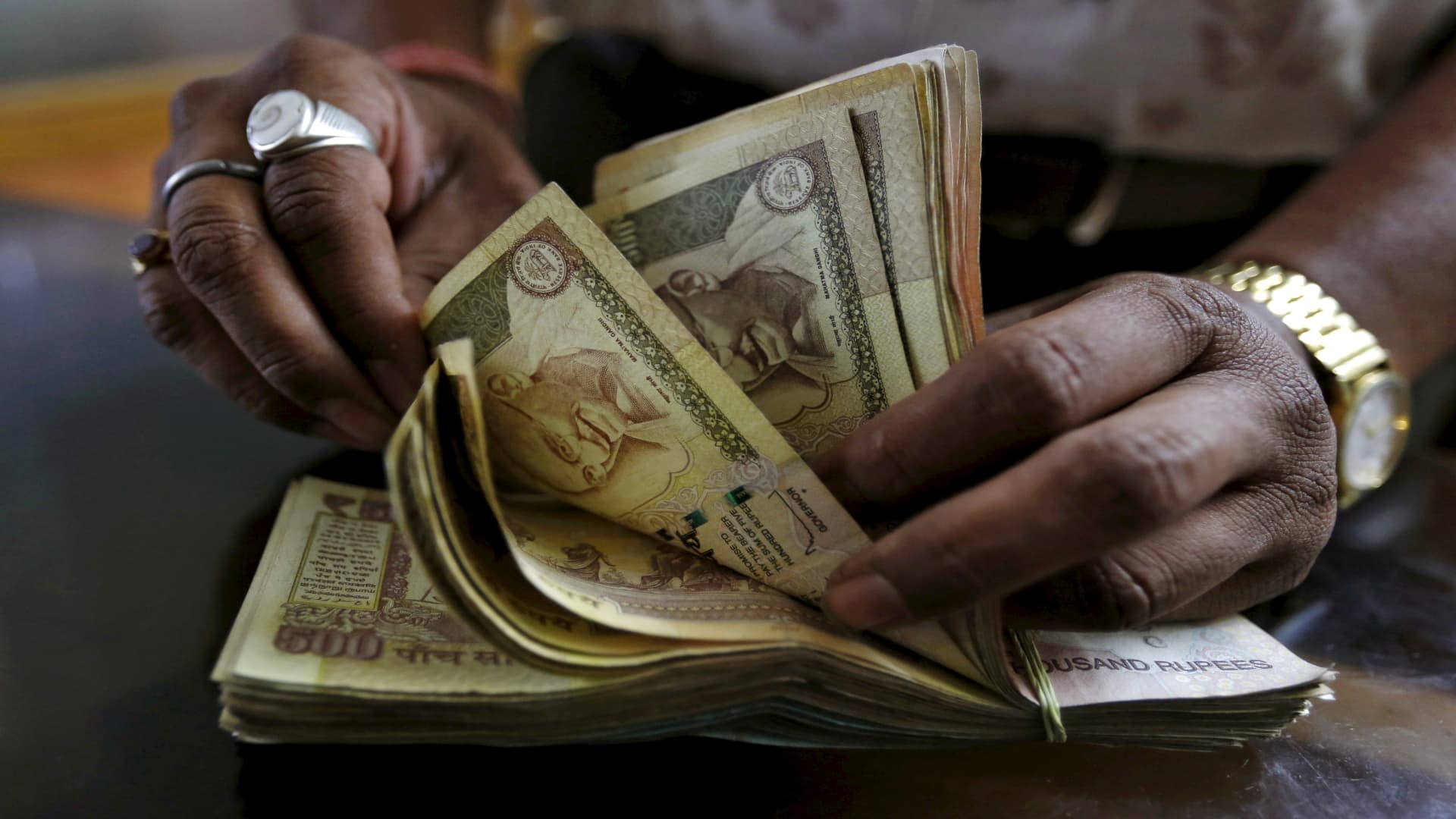
India scraps tax on overseas bond investors in bid to attract foreign capital and shore up the rupee
CNBC
June 05, 2026
3 views
Advertisement
How did this make you feel?


