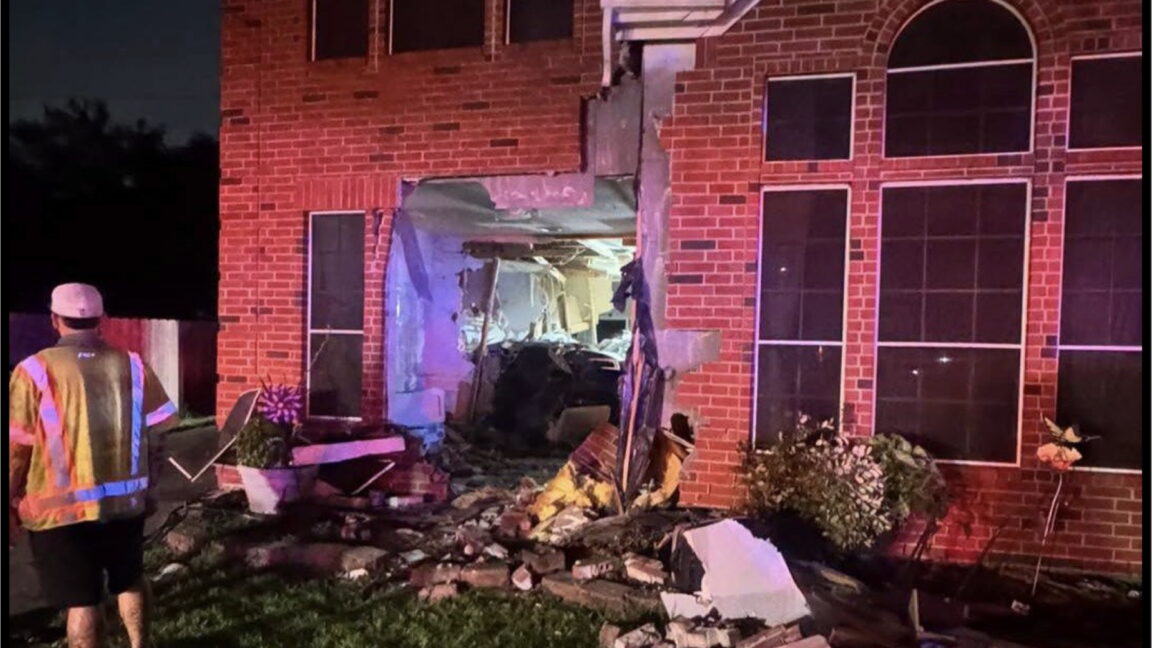
A few days after a
Tesla plowed through a Texas home and killed a grandmother, the family sued the carmaker, alleging that the Model 3’s automated assist mode was defective.
In a
complaint filed this week in Harris County District Court, Jennifer Barbour, the daughter of 76-year-old Martha Avila, and Barbour’s husband Justin confirmed they were seeking more than $1 million in damages following their sudden and tragic loss.
After the crash, the driver, Michael Butler, who is also a named defendant in the lawsuit, told police that the automated driver-assist feature was engaged when he lost control of the car. Cops told Ars on Monday that they’re still investigating whether the feature was in use and confirmed that Butler was not intoxicated and has been cooperating with police.
Tesla disputes that its “Full Self Driving” feature is to blame for the crash. A doorbell camera video
shared by The New York Times showed the car slamming into the house at a high speed, which Tesla CEO Elon Musk claimed in a post on X is a sign that the technology didn’t cause the crash.
“FSD drives slowly through neighborhood streets, and this was a high-speed crash!” Musk wrote.
Tesla’s vice president of AI software, Ashok Elluswamy, went further than Musk to cast doubt on the family’s claims. Without sharing evidence, he accused Butler of causing the crash.
“In this case, the driver manually overrode self-driving by pressing the accelerator all the way to 100 percent of the accel pedal in this residential area,” Elluswamy said. “They reached a speed of 73 mph during the crash and had the accelerator pressed even after the crash.”
<small>Source: Ars Technica</small>