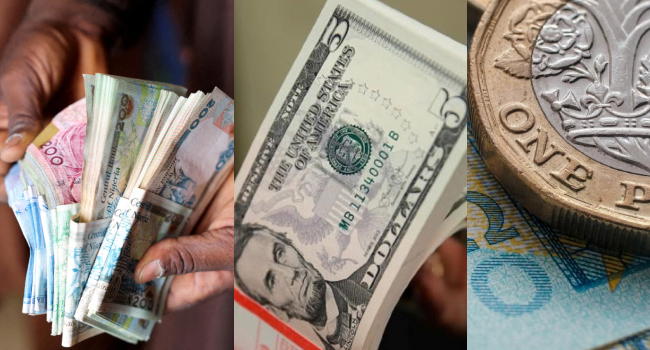
Dollar to Naira Exchange Rate Today, September 18, 2026
The Nigerian naira experienced fluctuations against the US dollar on Friday, September 18, 2026, with the rates differing between the official market and the parallel market.
According to the Central Bank of Nigeria (CBN), the naira traded at around ₦1,331 per dollar in the official Nigerian Foreign Exchange Market (NFEM). This represents a depreciation of ₦14.5 compared to the rate recorded on Wednesday, September 16, 2026, when the naira was trading at ₦1,317 per dollar.
In the parallel market, the dollar surged to around ₦1,375 per dollar. This widens the gap between the official NFEM rate and the parallel-market quotation, highlighting the ongoing disparity between these segments of Nigeria's foreign exchange market.
Market Participants Monitor Dollar Liquidity and Import Demand
Market participants in Nigeria continue to closely monitor factors such as dollar liquidity and import demand, which are believed to be influencing the naira's performance against the US dollar.
For individuals seeking to purchase dollars through the parallel market, $100 would cost around ₦137,500.
Central Bank of Nigeria Intervention
The Central Bank of Nigeria (CBN) has reportedly intervened in the foreign exchange market to stabilize the naira against the dollar. The intervention is aimed at reducing the disparity between the official NFEM rate and the parallel market rate.
The CBN's efforts may help to narrow the gap between the official and parallel market rates, providing more clarity to investors and traders.
Exchange Rate Trends in Nigeria
The fluctuating exchange rate between the naira and dollar continues to impact businesses and individuals in Nigeria. The disparity between the official and parallel market rates highlights the need for increased transparency and regulation in Nigeria's foreign exchange market.
The Central Bank of Nigeria's interventions are aimed at reducing the disparity between the official and parallel market rates, offering more clarity for investors and traders.
Import Demand and Dollar Liquidity
Market participants in Nigeria are closely monitoring factors such as dollar liquidity and import demand, which are believed to be influencing the naira's performance against the US dollar.
For those buying dollars through the parallel market, $100 would cost around ₦137,500.
The Central Bank of Nigeria's Intervention
The Central Bank of Nigeria (CBN) has reportedly taken measures to stabilize the naira against the US dollar in order to reduce the disparity between the official and parallel market rates.
The CBN's actions aim to provide more clarity for investors and traders.
The disparity between the official and parallel market rates highlights the need for enhanced transparency and regulation in Nigeria's foreign exchange market.
The Central Bank of Nigeria's interventions are aimed at reducing the disparity between the official and parallel market rates, providing more clarity for investors and traders.
For those purchasing dollars through the parallel market, $100 would cost around ₦137,500.
Nigerian Economy Affected by Exchange Rate Fluctuations
The fluctuating exchange rate between the naira and the US dollar has a significant impact on the Nigerian economy, particularly for businesses and individuals conducting transactions.
The disparity between the official and parallel market rates underscores the need for enhanced transparency and regulation in Nigeria's foreign exchange market.
The Central Bank of Nigeria's actions aim to narrow the gap between the official and parallel market rates, offering more clarity for investors and traders.
For those purchasing dollars through the parallel market, $100 would cost around ₦137,500.
Central Bank of Nigeria Intervention
On September 18, 2026, the Central Bank of Nigeria took measures to stabilize the naira against the US dollar to reduce the disparity between the official and parallel market rates.
The CBN's actions are aimed at providing more clarity for investors and traders.
The disparity between the official and parallel market rates highlights the need for enhanced transparency and regulation in Nigeria's foreign exchange market.
The Central Bank of Nigeria's interventions aim to narrow the gap between the official and parallel market rates, offering more clarity for investors and traders.
For those purchasing dollars through the parallel market, $100 would cost around
<small>Source: Vanguard News — read the original story there.</small>
