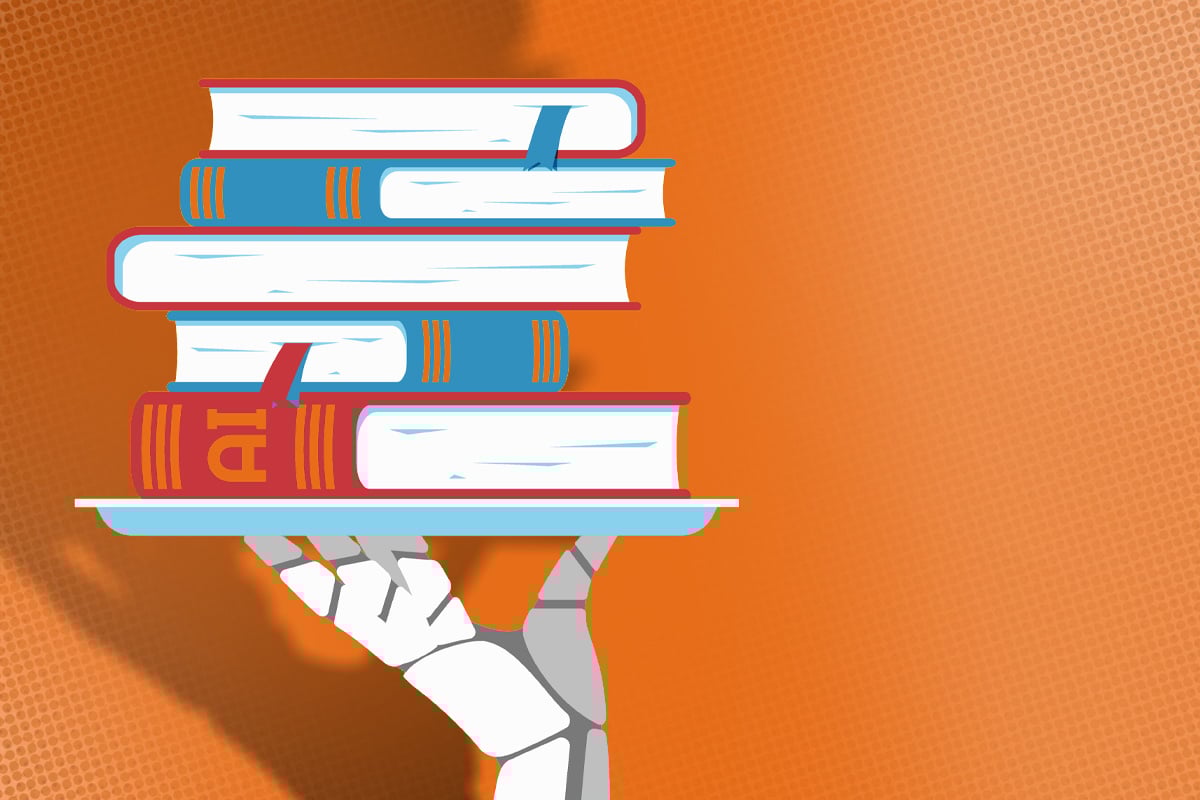
Librarians are facing a new challenge as machine-generated books, often referred to as "AI slop," begin to flood academic and public library collections. According to a report from Inside Higher Ed, library professionals are being urged to take active measures to prevent these low-quality, algorithmically created titles from entering their shelves.
The concern stems from the rapid proliferation of content generated by artificial intelligence, which is increasingly being published and distributed through standard channels. As noted in the coverage, librarians are tasked with "holding the gates" against this influx, a responsibility that requires significant effort to distinguish between legitimate human-authored works and mass-produced digital noise.
This development highlights a growing tension in the education and information sectors, where the integrity of curated knowledge resources is being tested by automated content creation. The push to filter out these titles suggests that without careful curation, the quality of available literature in library settings could be diluted by repetitive or factually unreliable AI-generated material.
The issue has drawn attention from higher education circles, where the reliability of sources is paramount for research and learning. By identifying and blocking these specific types of publications, librarians aim to preserve the value of their collections as trusted repositories of high-quality information.
As the volume of AI-generated content continues to rise, the role of the librarian is evolving to include not just the organization of physical and digital assets, but also the active defense against the degradation of informational standards caused by unchecked automation.
<small>Source: Inside Higher Ed — read the original story there.</small>