SPEAKOX NEWS Published: May 12, 2026 | World News Desk | Breaking Category: World News · Economy · U.S. Politics Estimated read time: 6 minutes
Washington, D.C. — May 12, 2026
The fragile ceasefire between the United States and Iran is on the verge of collapse this morning after President Donald Trump publicly rejected Tehran's response to a U.S. peace proposal, calling it "garbage" and warning that the monthlong truce is now on "massive life support."
The breakdown marks the most serious diplomatic failure since the two countries agreed to a temporary halt in fighting on April 8 — and it arrives as ordinary Americans are absorbing the full economic weight of a war that has now been raging for over ten weeks.
What Happened Over the Weekend
Iran delivered its formal response to the U.S. peace framework on Sunday through Pakistani mediators. Within hours, Trump posted on social media that Iran's response was "TOTALLY UNACCEPTABLE" and accused Tehran of "playing games with the United States, and the rest of the world."
On Monday, Trump escalated his language further, calling the Iranian reply "garbage" and describing the ceasefire as "on life support" and "unbelievably weak."
Iran pushed back immediately. Tehran dismissed Washington's own proposal as "one-sided" and accused Trump of making "unreasonable" and "excessive demands." An Iranian Foreign Ministry spokesperson added that it was a "grotesque absurdity" for the U.S. to claim to seek peace while threatening Iran with what Trump described as "one big glow" — a thinly veiled reference to military strikes — if no deal was reached.
Despite the heated exchange, Trump told reporters Monday that a diplomatic solution was still "very possible," adding that Iranian leaders "change their mind."
For full live coverage: https://www.cnn.com/2026/05/11/world/live-news/iran-war-proposal-trump
What Each Side Is Demanding
The core of the breakdown comes down to sequencing. The two governments want the same things in a different order — and neither is willing to move first.
Under the U.S.'s 14-point peace proposal, Iran would be required to halt all uranium enrichment for at least 12 years, hand over its estimated 440 kilograms of uranium enriched to 60 percent, and commit not to develop a nuclear weapon. In return, the U.S. would gradually lift sanctions, release billions of dollars in frozen Iranian assets, and withdraw its naval blockade. Both sides would reopen the Strait of Hormuz within 30 days of signing.
Iran's counterproposal takes a staggered approach — focusing first on declaring a formal end to the war, lifting sanctions, and ending the U.S. naval blockade, while pushing nuclear program discussions to later stages of negotiation.
The deadlock stems from differing priorities, with Trump seeking immediate concessions on Iran's nuclear program, while Tehran is determined to delay those demands and secure its own concessions first.
For analysis on the competing proposals: https://www.aljazeera.com/news/2026/5/11/unacceptable-whats-irans-peace-proposal-that-trump-has-rejected
The Ceasefire That Was Never Really a Ceasefire
The April 8 ceasefire — brokered by Pakistan — was always fragile. Both Iran and the U.S. have continued firing at each other in the Strait of Hormuz since the truce took effect. U.S. Central Command has described the exchanges as defensive responses to Iranian provocations. Iran has disputed that framing, accusing U.S. forces of initiating escalations.
Trump aides say he is now more seriously considering a resumption of major combat operations than at any point in recent weeks, driven by his growing frustration over the continued closure of the strait and what he sees as division within Iranian leadership blocking meaningful concessions.
Adding to the pressure, the Trump administration on Monday imposed sanctions on 12 companies and individuals accused of facilitating the sale and shipment of Iranian oil to China — a move that signals Washington is intensifying its economic campaign against Tehran even as diplomatic talks remain technically ongoing.
What This Means for Your Wallet
While diplomats argue and generals calculate, the war's most immediate impact for most Americans is at the gas pump — and the numbers are punishing.
The average price of gasoline in the United States reached $4.54 per gallon this week, up sharply from below $3 per gallon before the Iran war began in late February, according to the American Automobile Association. That is a 52 percent increase in just over ten weeks.
According to research from Brown University's Iran War Energy Cost Tracker, the spike in gasoline and diesel prices since the war began has cost American consumers a combined $37 billion — more than $284 per household.
Eight in ten Americans say gas prices are straining their budgets, including overwhelming majorities of Democrats, independents, and Republicans alike, according to the latest NPR/PBS News/Marist poll. More than 63 percent of Americans say they blame Trump a great deal or a good amount for the higher prices — including more than six in ten independents and nearly one-third of Republicans.
In response, Trump said Monday he wants to suspend the federal gas tax — an 18.4 cent-per-gallon levy — for a period of time, though suspending the tax would require an act of Congress, a step lawmakers have declined to take in previous periods of elevated gas prices.
For a breakdown of how the Strait of Hormuz is hitting your gas tank: https://www.washingtonpost.com/business/interactive/2026/how-rising-prices-ricochet-strait-hormuz-your-gas-tank/
The Hard Truth: Even a Deal Won't Fix Prices Quickly
Energy experts are warning Americans not to expect quick relief even if a peace agreement is reached.
Saudi Aramco CEO Amin Nasser told analysts Monday that the closure of the Strait of Hormuz — now in its tenth consecutive week — has created a supply shock so severe that the company is publicly warning the issue may not be resolved this year. He added that if the reopening is delayed by a few more weeks, normalization of energy markets could last into 2027. Even if the vital waterway were to reopen today, Aramco warned it would still take months for the market to rebalance.
Patrick De Haan of GasBuddy told Axios that even after the strait fully reopens, a complete recovery to pre-war gas prices could take until early or mid 2027, with gradual reductions coming in stages as supply chains adjust.
The International Energy Agency has characterized the closure as the largest supply disruption in the history of the global oil market. Brent crude oil prices surged to around $104 per barrel on Monday, up from approximately $80 when the war began.
For the full picture on long-term energy impacts: https://siepr.stanford.edu/news/Iran-war-gas-prices-consumers-economy-affordability
The Bigger Picture: What Happens Next
With the ceasefire under severe strain and both sides unwilling to move first on their core demands, analysts warn that the next 48 to 72 hours could be decisive.
If Trump authorizes a resumption of major military operations, the consequences for global energy markets would be immediate and severe. Oil inventories worldwide have already been drawn down significantly over the ten-week closure. A return to full combat would almost certainly push gas prices through the $5 per gallon mark and deepen inflationary pressure on an already stretched global economy.
If negotiations resume — possibly through a revised framework or a new mediating party — the earliest realistic outcome would be a preliminary agreement that stabilizes the ceasefire and begins the clock on 30 days of detailed talks. But trust between the two governments is at a low point, and multiple previous rounds of optimism have ended without a deal.
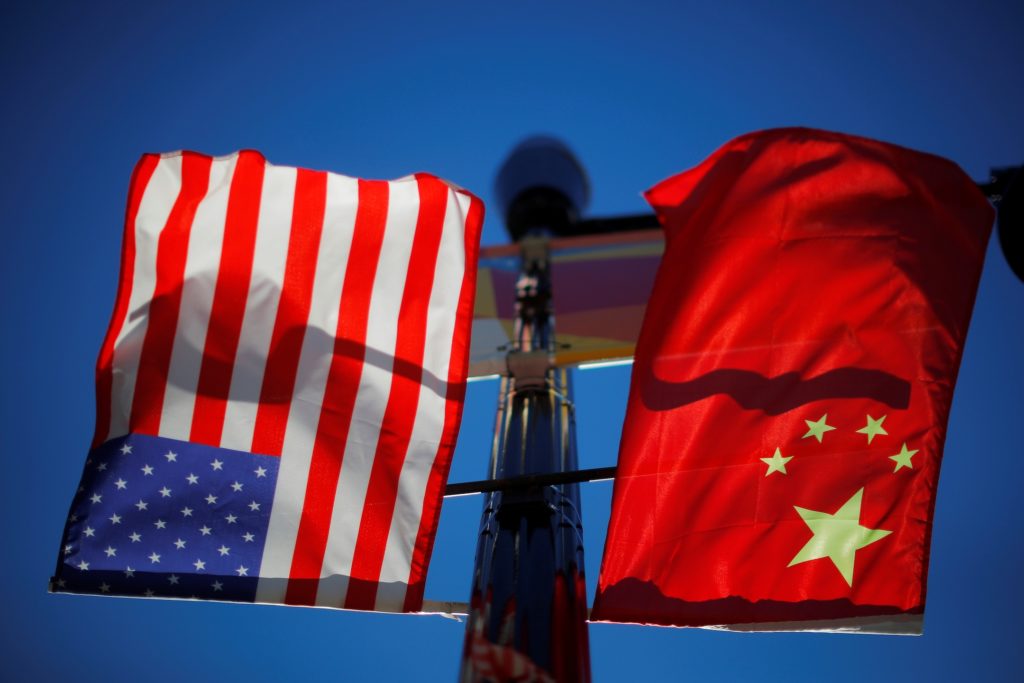
Trump is set to travel to Beijing this week to meet with Chinese President Xi Jinping. China, as one of the world's largest consumers of Persian Gulf energy, has a significant stake in the strait's reopening. China's support for Iran is expected to be a key topic of discussion, with U.S. intelligence having indicated that Beijing was preparing to deliver new air defense systems to Tehran.
For full negotiation history and timeline: https://en.wikipedia.org/wiki/2025%E2%80%932026_Iran%E2%80%93United_States_negotiations
For the full Iran war fuel crisis breakdown: https://en.wikipedia.org/wiki/2026_Iran_war_fuel_crisis
Key Numbers at a Glance
Gas price before the war (February 26, 2026): $2.98 per gallon Gas price today (May 12, 2026): $4.54 per gallon Increase: 52 percent Cost to American households since the war began: $284 per household Total consumer cost: $37 billion Brent crude oil price today: $104 per barrel Weeks the Strait of Hormuz has been effectively closed: 10 Estimated timeline to pre-war gas prices if deal reached today: Early to mid 2027
Follow This Story
Live updates from CNN: https://edition.cnn.com/2026/05/11/world/live-news/iran-war-proposal-trump
Trump rejects Iran proposal — NPR: https://www.npr.org/2026/05/10/nx-s1-5817605/trump-rejects-iran-ceasefire-proposal
Gas prices and the Iran war — PBS NewsHour: https://www.pbs.org/newshour/economy/u-s-gasoline-prices-rise-50-since-the-start-of-the-iran-war
What is in Iran's peace proposal — Al Jazeera: https://www.aljazeera.com/news/2026/5/11/unacceptable-whats-irans-peace-proposal-that-trump-has-rejected
Trump considers suspending gas tax — NPR: https://www.npr.org/2026/05/11/nx-s1-5818446/trump-gas-tax
SpeakOX News aggregates and reports on major world events. This article draws on reporting from CNN, NPR, NBC News, The Washington Post, Al Jazeera, PBS NewsHour, AAA, Brown University, and Saudi Aramco. All external links open to original sources. Statistics current as of May 12, 2026. This article will be updated as developments emerge.
© 2026 SpeakOX. All rights reserved.